

Article: How to choose coffee beans based on taste
How to choose coffee beans based on taste
To choose coffee beans based on taste, focus on three things: origin, processing method, and roast level. These determine whether your coffee will taste fruity, balanced, or bold. If you like bright, fruit-forward coffee, choose light roasted beans from Ethiopia or Kenya. If you prefer chocolate and nut flavours, choose medium to dark roasted beans from Brazil or Colombia. Once you match these factors to your taste, choosing coffee becomes straightforward.
What does coffee taste depend on
Coffee taste is shaped by three variables you can identify before buying.
Origin
Origin affects acidity, body, and flavour direction.
- African coffees often taste brighter and more fruit-forward
- Latin American coffees tend to be balanced and smooth
- Some Asian coffees lean towards heavier body and spice notes
Processing method
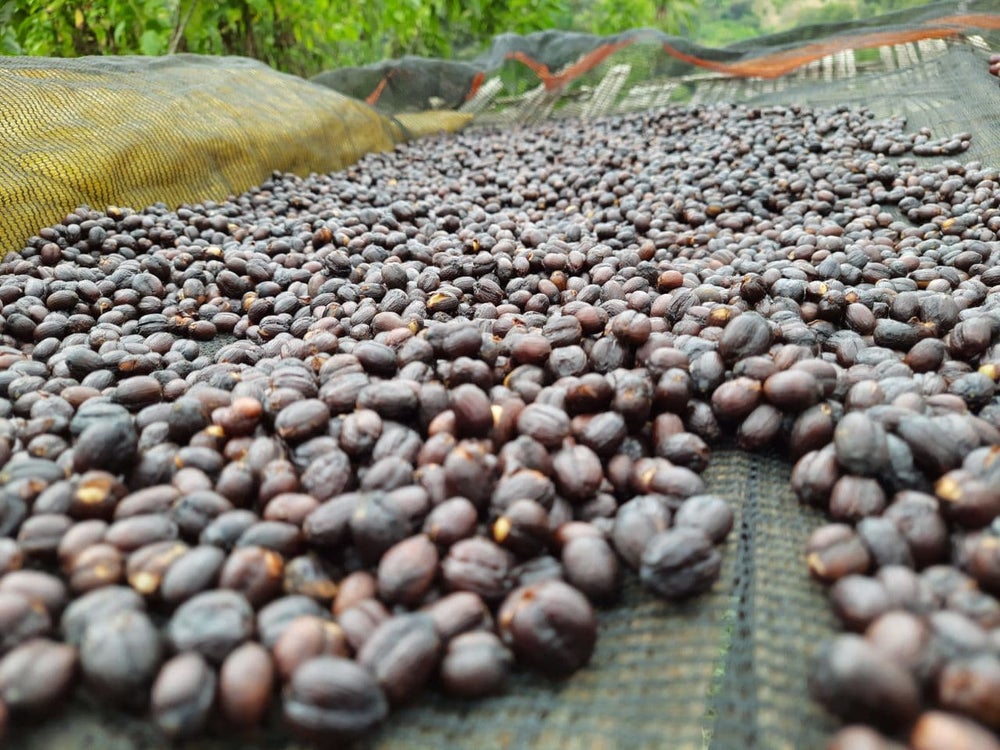
Processing changes sweetness and texture.
- Washed: clean, crisp, more defined flavours
- Natural: sweeter, heavier, more fruit-forward
- Honey: somewhere in between
Roast level
Roast level controls intensity and bitterness.
Light roast: brighter, more acidity
Medium roast: balanced and approachable
Dark roast: stronger, heavier, more bitter
How to choose coffee beans based on your taste preference
This is the simplest way to choose.
If you like fruity coffee, choose:
- Ethiopian or Kenyan origin
- Natural or washed processing
- Light roast
Taste profile:
- Citrus
- Berries
- Floral notes
If you like balanced coffee, choose:
- Colombian or Rwandan origin
- Washed or honey processing
- Medium roast
Taste profile:
- Caramel
- Red fruit
- Mild acidity
If you like strong coffee, choose:
- Brazilian origin or blends
- Natural processing
- Medium to dark roast
Taste profile:
- Chocolate
- Nuts
- Full body
Videshi coffees such as Ethiopian Yirgacheffe, Mushonyi (Rwanda), or blends like Aranya and Yamuna Gold fit into these profiles.
What coffee flavour notes actually mean
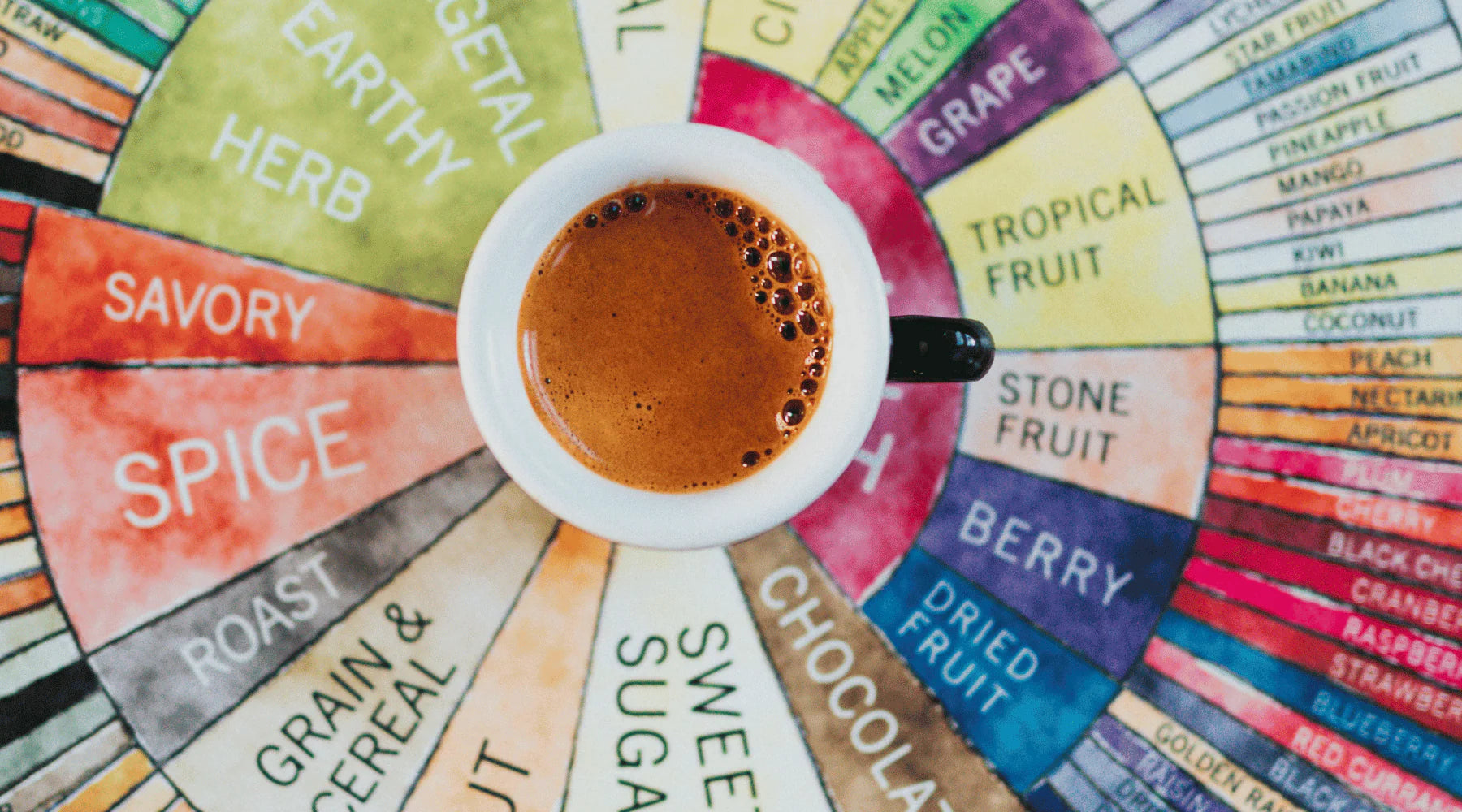
Flavour notes describe how a coffee tastes, not what is added to it.If a coffee says “blueberry” or “chocolate,” it means the taste reminds you of those flavours.
Quick way to read flavour notes:
- Fruit notes = brighter, more acidic
- Chocolate or nut notes = smoother, heavier
You do not need to identify every note. Focus on the general profile.

How to choose coffee beans for your brew method
Different brew methods highlight different characteristics.
Espresso
Choose:
- Medium to dark roast
- Chocolate or balanced profiles
This produces better body and crema.
Pour over
Choose:
- Light to medium roast
- Fruity or floral coffees
This highlights clarity.
French press
Choose:
- Medium to dark roast
- Full-bodied coffees
This produces a heavier texture.
Cold brew
Choose:
- Medium to dark roast
- Chocolate or nut profiles
This keeps the flavour smooth.
How fresh should coffee beans be
Freshness affects taste, but timing matters.
Best window: 7 to 28 days after roasting
Too fresh can taste uneven. Too old loses flavour.
Always check roast date instead of expiry date.
Videshi coffees are roasted in India to maintain freshness while offering international origins.
Common mistakes when choosing coffee beans
- Choosing based on brand instead of taste: Brand does not tell you how the coffee will taste. Origin, processing, and roast level do.
- Ignoring roast level: Roast level directly affects bitterness, acidity, and body. It should guide your choice.
- Trying to understand every flavour note: You do not need to decode every detail. Focus on whether the coffee is fruity, balanced, or bold.
- Buying the same coffee every time: Repeating the same choice limits your understanding of what you like. Try different origins to learn faster.
- Not matching coffee to brew method: Some coffees perform better with specific brewing methods. Choosing without considering this leads to disappointing results.
How to build your taste preference quickly
The fastest way to learn is through comparison.
Simple method:
- Buy two different coffees
- Brew them the same way
- Taste side by side
- Decide which you prefer
After a few comparisons, your preferences become clear.
How to choose coffee beans with confidence
If you are unsure, use this simple framework:
- Start with medium roast
- Choose a known origin like Colombia or Brazil
- Match the coffee to your brew method
- Adjust based on what you enjoy
Over time, you refine your choices without needing technical knowledge.
Frequently Asked Questions
Match origin, processing, and roast level to your preference. Fruity coffees are usually light roasts from Africa, while chocolatey coffees are medium to dark roasts from Latin America.
Medium roast coffees from Colombia or Brazil are a good starting point because they are balanced and easy to drink.
Yes. Light roasts generally have higher acidity and brighter flavours compared to darker roasts.
Single origin coffees highlight specific flavours, while blends are designed for balance. Choose based on your taste preference.
Coffee is typically best between 7 and 28 days after roasting. Always check the roast date.