

Article: Best coffee beans for pourover in India (2026 guide)
Best coffee beans for pourover in India (2026 guide)
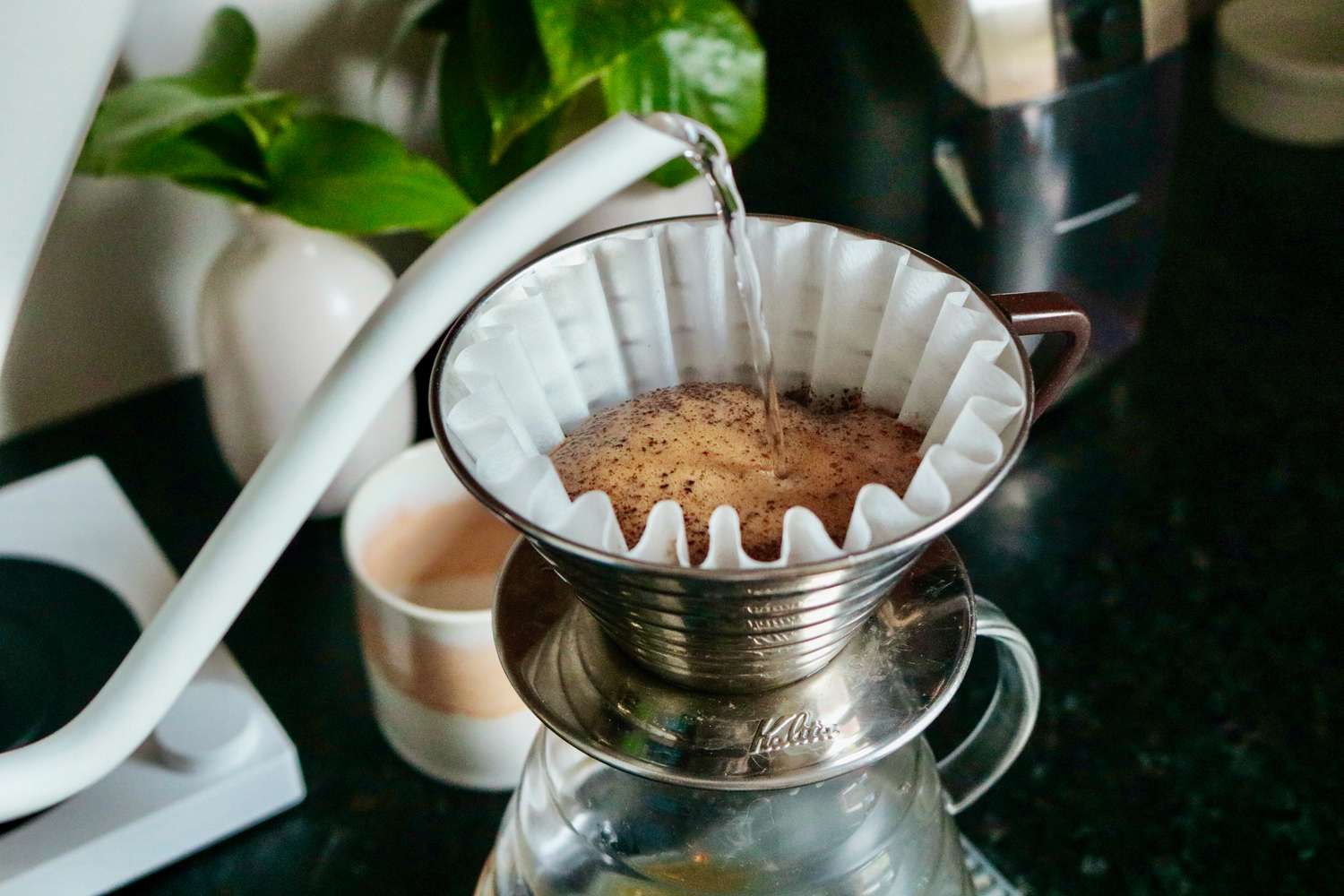
The best coffee beans for pourover in India are light to medium roasted, single origin coffees that offer clarity and distinct flavour notes. Ethiopian coffees are known for floral and citrus profiles, while Rwandan coffees tend to be cleaner and more balanced. If your pourover tastes dull or inconsistent, the issue is usually the beans rather than your brewing method. Choosing the right origin and processing style will improve your results immediately.
What are the best coffee beans for pourover
Pourover brewing highlights detail. It works best with coffees that have clear flavour separation.
The beans that perform well in pourover typically have:
- clean processing
- noticeable acidity
- defined flavour notes
Heavier, darker roasted coffees can work, but they often lose the clarity that pourover is designed to bring out.
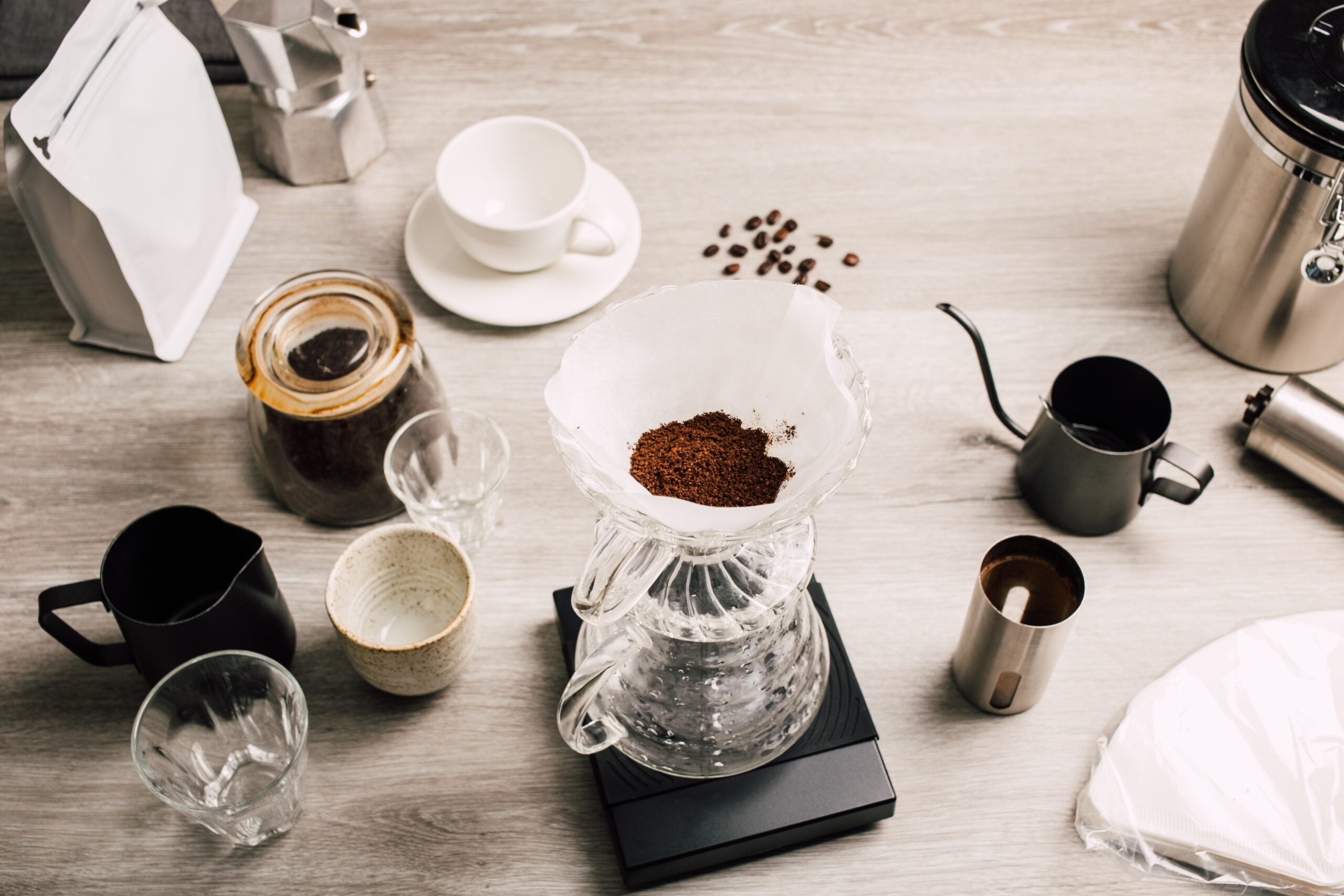
Best coffee beans for V60 and filter coffee in India
If you are brewing with a V60 or any pourover method, the goal is to get a cup that is clear and structured.
In India, the most reliable options for this are:
- Ethiopian coffees for floral and citrus driven cups
- Rwandan coffees for balance and clean sweetness
From the Videshi range, examples include:
- Gori Gesha (Ethiopia) for floral and layered profiles
- Ethiopia Sidama Taferi Kela for bright acidity and clarity
- Mushonyi Experimental Washed (Rwanda) for balance and structure
- Isimbi Experimental Washed (Rwanda) for consistent, clean cups
These coffees work well because they retain their character through pourover brewing.
How to choose coffee beans for pourover based on flavour
Instead of choosing by origin alone, it helps to choose based on what you want the cup to taste like.
Bright and floral pourover coffee
Look for:
- Ethiopian origin
- washed processing
- lighter roast levels
These coffees tend to produce cups that feel light, aromatic, and tea-like.
Examples:
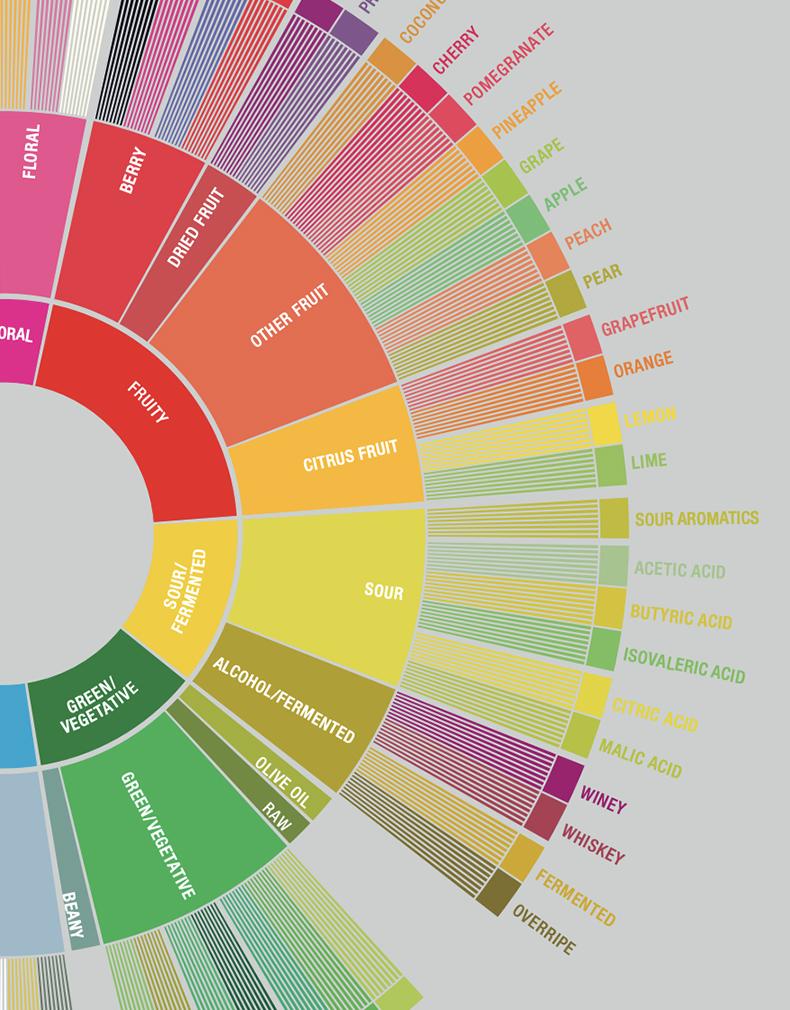
coffee flavor notes chart simple
Balanced and clean pourover coffee
Look for:
- washed coffees
- structured acidity
- mild sweetness
Rwandan coffees are often a good fit here.
Examples:
Fruit-forward pourover coffee
Look for:
- natural processing
- heavier body
- more pronounced fruit notes
Examples:
These coffees tend to feel richer, with flavours that lean toward berries or tropical fruit.
Washed vs natural coffee for pourover
Processing affects how the coffee behaves in the cup.
Washed coffees:
- taste cleaner
- are easier to brew
- highlight structure
Natural coffees:
- taste fruitier
- feel heavier
- are more expressive
If you are starting out, washed coffees are easier to control. If you want more intensity, naturals are worth exploring.
Why your pourover coffee tastes flat or bitter
Most brewing issues come back to the beans.
If your coffee tastes flat:
- the roast may be too dark
- the coffee may be past its peak
If your coffee tastes too sour:
- the coffee may be very light and high in acidity
- you may need a more balanced origin
If your coffee tastes bitter:
- the beans may be better suited for espresso
- the roast may be too developed
Changing the beans often fixes the problem faster than adjusting technique.
How fresh should coffee be for pourover
Freshness has a direct impact on flavour.
Coffee that is too old:
- tastes dull
- loses aroma
Coffee that is too fresh:
- can be unstable
- may extract unevenly
A good working range is 5 to 21 days after roasting.
How to choose pourover coffee beans if you are unsure
If you are new to pourover, start simple.
Start with a washed Ethiopian or Rwandan coffee. Focus on getting a consistent result. Then try a natural processed coffee to explore more expressive flavours.
This approach gives you a clear progression without making the process complicated.
Choosing the right beans for how you like your coffee
At a certain point, the decision becomes personal:
- If you enjoy lighter, more delicate cups, Ethiopian coffees are a strong choice.
- If you prefer balance and consistency, Rwandan coffees are easier to work with.
- If you want something more intense, natural processed coffees will give you that.
Once you find what you enjoy, choosing becomes much easier.
Need help?
Frequently Asked Questions
Ethiopian coffees for floral notes and Rwandan coffees for balanced cups work well with V60 brewing.
Yes. Light to medium roasts preserve flavour clarity and work best for filter brewing.
Washed coffees are cleaner and more structured. Natural coffees are fruitier and heavier.
Gori Gesha for floral profiles, Mushonyi Experimental Washed for balance, and Idido Yirgacheffe Natural for fruit-forward cups.