

Article: Choosing the Right Method for Your Coffee
Choosing the Right Method for Your Coffee
The Importance of the Right Brew Method
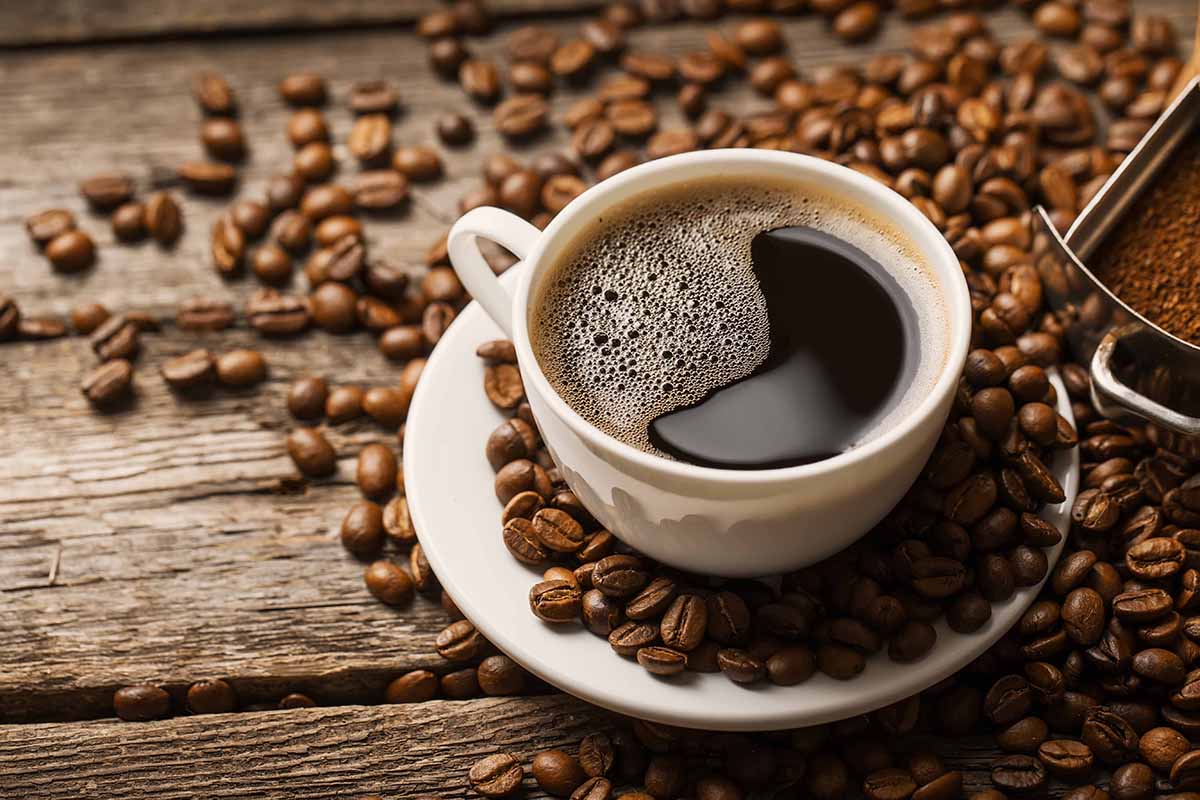
Every great cup of coffee starts with the right brewing method. The way you brew your coffee can dramatically influence its flavor, aroma, body, and overall experience. Whether you prefer a clean and bright pour-over, a bold espresso, or a refreshing cold brew, each technique brings out unique characteristics in your beans.
At Videshi, we carefully roast and source some of the world’s finest specialty coffees, and we want to help you make the most of them. To truly appreciate the flavors of Ethiopian Gesha, Rwandan Bourbon, or El Salvadoran volcanic-grown beans.
Choosing the right brew method is key.

Pour-Over (Hario V60, Kalita Wave, Chemex)
For those who enjoy a clean, nuanced cup, pour-over brewing is the perfect choice. This method highlights the intricate flavors and bright acidity of lighter roasts, such as our Idido Yirgacheffe or Gori Gesha from Ethiopia. By carefully controlling water temperature, grind size, and pouring technique, pour-over coffee showcases delicate floral, citrus, and tea-like notes.

Espresso: A Bold and Intense Experience
Espresso is the foundation of countless coffee drinks, from lattes to cappuccinos, but it also stands alone as a concentrated, flavorful shot. If you’re looking for a coffee with rich crema, deep chocolatey undertones, and a syrupy body, espresso is your go-to method. Our Finca Miramar from El Salvador and Mushonyi Experimental FW from Rwanda both make exceptional espressos, bringing out their rich fruit and chocolate notes.

AeroPress: Versatility in a Compact Brewer
AeroPress is loved for its ability to brew both clean and strong coffee, depending on the method used. Whether you prefer a smooth, filter-style cup or a rich, espresso-like brew, the AeroPress offers flexibility. Coffees like Ethiopia Sidama Taferi Kela shine in this method, producing a well-balanced cup with vibrant fruit notes.

Cold Brew: Refreshing and Smooth
For a low-acidity, naturally sweet coffee experience, cold brew is the answer. This method slowly steeps coffee grounds in cold water for 10-15 hours, extracting smooth, chocolatey, and fruit-forward flavors. Our Ethiopia Yirgacheffe West Arsi is a standout for cold brew, producing a refreshing, full-bodied coffee with hints of prune, citrus, and dark chocolate.

French Press: Full-Bodied and Immersive
For those who love a richer, heavier cup, the French press is a classic choice. This full-immersion method allows coffee oils to remain in the final cup, giving it a more robust texture and depth of flavor. A coffee like Isimbi FW from Rwanda, known for its balanced sweetness and complexity, is perfect for French press brewing.
Which Brew Method is Right for You?
The best brewing method ultimately depends on your flavor preferences, time, and equipment. Are you looking for a delicate, bright cup? Try a pour-over. Need something bold and concentrated? Go for espresso. Want a smooth, refreshing cold drink? Cold brew is your answer.
To get the best possible flavors from your Videshi coffee, we’ve put together detailed brew guides with step-by-step instructions for each method. Whether you’re a beginner or a seasoned coffee enthusiast, our guides will help you make the most of every bean.
Discover Your Perfect Brew
Visit our Brew Methods Guide to explore the ideal recipes for each coffee we offer. Find your perfect brew, experiment with techniques, and elevate your coffee experience.
If you’re storing coffee beans in India, keep them in an airtight container, away from heat, light, and moisture. Do not store them in the fridge. Once opened, coffee beans will taste their best for about two to three weeks in typical Indian conditions. After that, they don’t spoil, but they lose clarity and depth.
That’s what shows up consistently when you’re brewing at home here.
What happens after you open a bag of coffee beans
You open a fresh bag and the first few brews are clear. You can taste what’s there without trying to adjust anything. The coffee behaves the way you expect. A few days later, the same coffee starts to feel softer. Not wrong. Just less defined.
Nothing in your setup has changed. Same grinder, same method, same water. The only difference is that the beans have been sitting in your kitchen.
Most people try to fix this by adjusting grind size or brew time. That usually isn’t where the problem starts.
How long coffee beans stay fresh in India
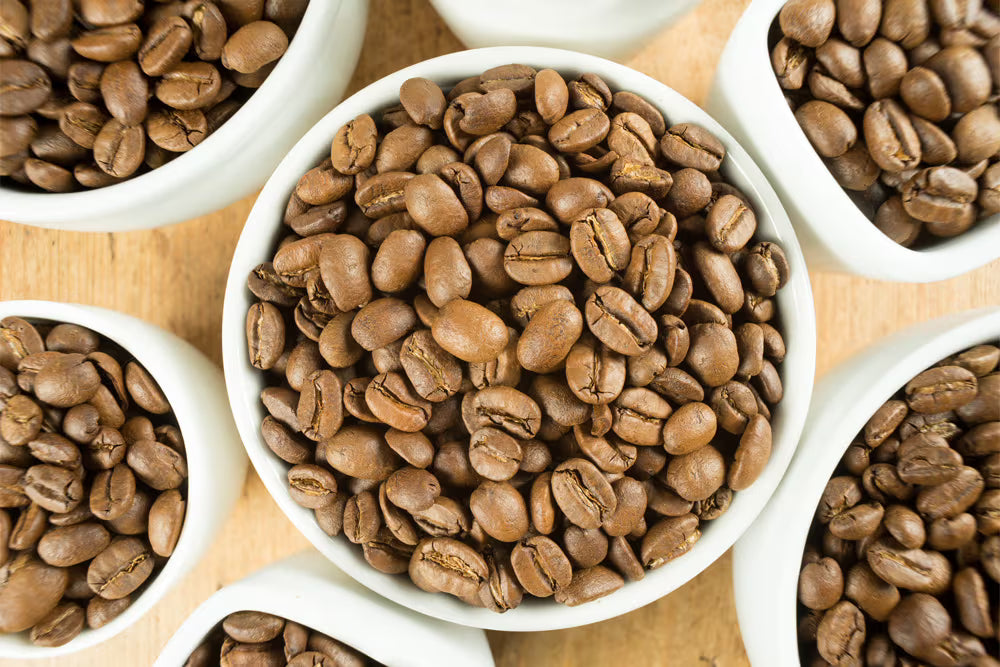
Coffee beans in India stay at their best for about two to three weeks after opening if stored in an airtight container away from heat and light. After that, the change is gradual. The coffee becomes flatter. The aroma fades. You can still use it, but it doesn’t feel the same.
This is why buying the right quantity matters. If you’re ordering coffee online, it’s better to choose what you can finish within that window.
For example, if you’re working through something like a Videshi Ethiopian or Rwandan lot, you’ll notice the difference between the first week and the third. The coffee is still usable, but the clarity drops.
Why airtight storage matters for coffee beans
Coffee reacts to oxygen as soon as the bag is opened. Even if the bag is folded and clipped, air continues to get in. That slow exposure is what causes the coffee to lose its flavour.
An airtight container reduces that exposure. It doesn’t stop the process, but it slows it down enough to make a difference across multiple brews.
If you’re buying freshly roasted coffee, like the coffees available at Videshi, this matters more. The fresher the coffee is when it arrives, the more you notice how it changes if it’s not stored properly.
Where to store coffee beans at home in India
The best place to store coffee beans in India is inside a cupboard, away from heat and light. If the container sits near a stove or near a window, the coffee will fade faster. You won’t see anything happening. You’ll just notice the cup feels dull a few days later. Moving the container away from those spots usually fixes more than expected.
Should you store coffee beans in the fridge
No. Fridges introduce moisture. Coffee beans absorb that moisture, which affects how they grind and how they extract. They also absorb surrounding smells. That carries into the cup.
For everyday use, room temperature storage in an airtight container works better.
Why buying smaller quantities works better in India
This is where storage and buying decisions meet. Large bags seem practical, but they sit for longer. By the time you reach the end, the coffee has already lost some of its character. Smaller quantities work better in Indian conditions. You use the coffee while it still tastes the way it should.
If you’re ordering from Videshi, it makes more sense to buy amounts you can finish within two to three weeks rather than stretching one bag across a longer period. That alone keeps your results more consistent.
Why storage affects your brewing more than you expect
When coffee starts tasting flat, most people change their brewing. They grind finer. They brew longer. They add more coffee. Sometimes that helps slightly. Most of the time, you’re trying to get back something that has already faded.
Fresh coffee fixes that faster than any adjustment. Storage just helps you stay closer to that point for longer.
What tends to work in practice
Open the bag and move the beans into an airtight container. Keep the container away from heat and light. Use the coffee within two to three weeks. Buy smaller quantities that match how often you brew.
That’s enough to keep your coffee consistent without changing anything else in your setup.
Explore fresh coffee options
If you’re buying coffee online in India, it helps to match your order size to how quickly you use it.
You can explore freshly roasted options here.
Freshness and storage work together. One doesn’t replace the other.
Need help?
Frequently Asked Questions
Store them in an airtight container, away from heat, light, and moisture, at room temperature.
They stay at their best for about two to three weeks if stored properly.
No. Moisture and odours in the fridge affect the beans and how they brew.
Exposure to air, heat, and humidity causes the beans to lose flavour over time.
It is better to buy smaller quantities that you can finish within two to three weeks.