

Article: Best coffee beans for espresso in India: how to choose the right beans
Best coffee beans for espresso in India: how to choose the right beans
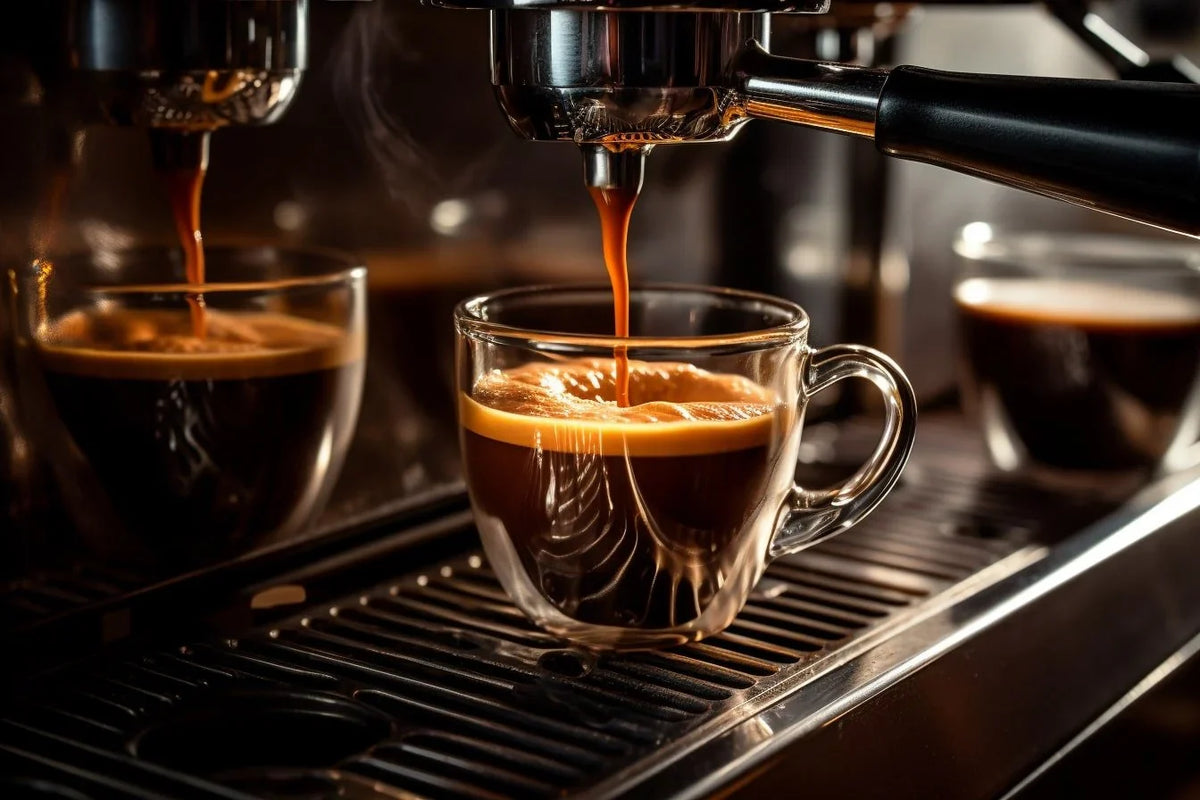
The best coffee beans for espresso in India are medium roasted specialty coffees with balanced acidity, strong sweetness, and enough body to extract cleanly under pressure. Coffees from Ethiopia and Rwanda are widely used for espresso because they combine fruit clarity with structure that performs well in espresso machines.
When choosing espresso beans, focus on four key factors:
- Roast level suitable for espresso extraction
- Processing method that influences sweetness and body
- Origin characteristics such as Ethiopian fruit complexity or Rwandan balance
- Freshness and grind compatibility
Specialty coffees such as Ethiopian Yirgacheffe, Ethiopian Sidama, and Rwandan washed Bourbon varieties are commonly chosen by specialty cafés and home brewers in India for espresso.
Understanding these factors makes it easier to select espresso beans that match your machine, roast preference, and flavour profile.
Which coffee beans are best for espresso in India?
Espresso brewing extracts coffee under high pressure and short contact time. Because of this, the beans must dissolve efficiently and maintain flavour balance. Good espresso beans usually have these characteristics:
| Charecteristic | Ideal range |
|---|---|
| Roast level | Medium to medium dark |
| Acidity | Balanced |
| Body | Medium to full |
| Sweetness | High |
| Solubility | Consistent extraction |
Very light roasted beans often taste sour in espresso because they dissolve slowly.
Very dark roasts often taste bitter because sugars are over developed.
Medium roasted specialty coffee usually provides the best balance.
Many cafés in India use Ethiopian or Rwandan coffees for espresso because they offer clarity while maintaining sweetness.
What roast level is best for espresso beans?
Roast level controls how coffee extracts under pressure.
Light roast
Light roasted coffee preserves origin character but extracts slowly. Typical traits:
- bright acidity
- lighter body
- floral or citrus flavours
Light roast can work for espresso with advanced equipment, but beginners often struggle with extraction.
Medium roast
Medium roast works well for most espresso machines. Typical traits:
- balanced acidity
- caramel sweetness
- medium body
- predictable extraction
Many specialty espresso coffees use this roast style.
Medium dark roast
Medium dark roast increases solubility and body. Typical traits:
- lower acidity
- chocolate flavours
- heavier body
This style is common in traditional espresso.
Natural vs washed coffee for espresso
Coffee processing strongly influences flavour and texture in espresso.
Washed coffee explained
Washed coffee is processed by removing the fruit pulp before drying.
Characteristics:
- clean flavour
- defined acidity
- structured sweetness
- consistent espresso extraction
Examples include washed Ethiopian Yirgacheffe and washed Rwandan coffees.These coffees often produce clear, elegant espresso shots.
Natural process explained
Natural coffee dries inside the fruit before the beans are removed. Characteristics:
- higher sweetness
- fruit forward flavours
- heavier body
- softer acidity
Natural Ethiopian coffees often produce expressive espresso with berry notes.
Are Ethiopian coffee beans good for espresso?
Yes. Ethiopian coffees are widely used for espresso in specialty cafés.
Typical Ethiopian espresso characteristics:
| Region | Flavor profile |
|---|---|
| Yirgacheffe | floral, citrus, tea like |
| Sidama | berry sweetness, chocolate |
| Guji | tropical fruit complexity |
These coffees perform well in espresso when roast development allows sugars to caramelize.
For example, Ethiopian Sidama coffee often produces espresso with berry sweetness and balanced acidity.
Are Rwandan coffee beans good for milk drinks?
Rwandan coffees are excellent for milk based espresso drinks. Typical characteristics include:
- red fruit sweetness
- medium body
- balanced acidity
These traits allow the coffee flavour to remain present in cappuccino or flat white.
Washed Rwandan Bourbon coffees are commonly used for espresso because they produce consistent extraction.
Ethiopian vs Rwandan espresso beans
| Attribute | Ethiopian coffee | Rwandan coffee |
|---|---|---|
| Flavor | floral, citrus, fruit | red fruit, caramel |
| Body | medium | medium to full |
| Acidity | bright | balanced |
| Espresso profile | expressive | balanced |
| Milk drinks | adds complexity | blends smoothly |
Both origins are widely used for espresso beans in India.
Grind size and dose for espresso brewing
Correct grind size and dose are essential.
Typical starting parameters:
- Dose: 18 to 20 grams
- Yield: 36 to 40 grams espresso
- Brew time: 25 to 30 seconds
If espresso tastes sour:
- grind finer
- increase extraction time
If espresso tastes bitter:
- grind coarser
- shorten extraction
Adjustments should be small and controlled.
Key points when choosing espresso beans
When buying espresso beans in India, consider the following:
- choose medium roasted specialty coffee
- consider origin characteristics such as Ethiopian fruit complexity or Rwandan balance
- check processing method for sweetness and body
- match grind size to espresso extraction
Understanding these factors helps buyers select beans suited to their equipment and flavour preference.
Frequently Asked Questions
Yes. Ethiopian beans produce complex espresso with floral and fruit notes when roasted with sufficient development.
Medium or medium dark roast usually produces balanced espresso extraction.
Yes. Many specialty coffees perform well as espresso when roasted appropriately.