

Article: El Salvador Coffee Guide: Flavor Characteristics and Growing Regions
El Salvador Coffee Guide: Flavor Characteristics and Growing Regions
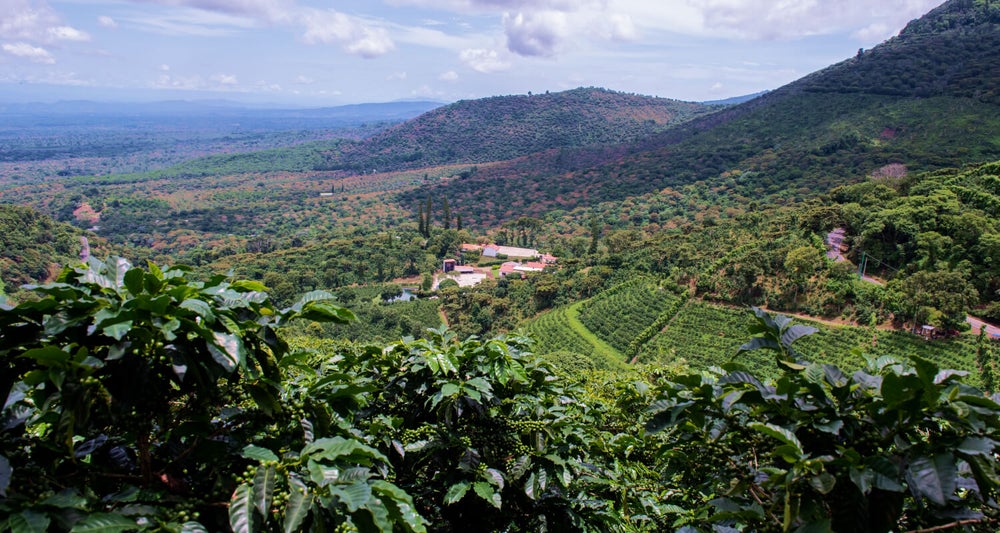
If you're searching for an El Salvador coffee guide, the first thing to know is that Salvadoran coffee is recognized for its balanced sweetness, approachable acidity, and chocolate-forward profile. Grown on volcanic mountains at elevations reaching 2,000 meters, these coffees often combine caramel, citrus, cocoa, and stone fruit in a clean, refined cup.
El Salvador has produced coffee for more than a century and remains one of Central America's most respected origins for specialty coffee. Whether you brew espresso, V60, AeroPress, or French Press, Salvadoran coffees offer versatility and consistency.
For coffee drinkers exploring single-origin coffee, selections such as Finca Miramar, available through Videshi Coffee, demonstrate how growing region, altitude, and processing influence flavor without overwhelming the palate.
What Does El Salvador Coffee Taste Like?
El Salvador coffee usually tastes sweet, balanced, and smooth, with notes of caramel, milk chocolate, citrus, red apple, honey, and stone fruit.
Compared with coffees from Ethiopia or Kenya, Salvadoran coffees generally present softer acidity and a fuller body. Compared with Brazilian coffees, they often introduce brighter fruit while maintaining chocolate sweetness.
Typical characteristics include:
| Attribute | Profile |
|---|---|
| Sweetness | High |
| Acidity | Medium |
| Body | Medium |
| Finish | Clean |
| Common Notes | Chocolate, caramel, citrus, peach, honey |
Where Is Coffee Grown in El Salvador?
Coffee production is concentrated along volcanic mountain ranges where fertile soils and cooler temperatures support slow cherry development.
Apaneca-Ilamatepec
The country's best-known producing region.
Typical profile:
- Caramel
- Chocolate
- Orange
- Balanced sweetness
Alotepec-Metapán
Higher elevations produce vibrant coffees featuring:
- Floral aroma
- Stone fruit
- Honey
- Bright acidity
El Bálsamo-Quezaltepec
Known for coffees with:
- Brown sugar
- Milk chocolate
- Creamy body
- Citrus finish
Chinchontepec
Often delivers:
- Cocoa
- Peach
- Citrus
- Balanced sweetness
Tecapa-Chinameca
Produces coffees with:
- Tropical fruit
- Floral aromatics
- Orange
- Tea-like finish
Each region contributes its own expression while sharing the sweetness that has become a hallmark of Salvadoran coffee.
Which Coffee Varieties Grow in El Salvador?
Several Arabica varieties dominate production.
| Variety | Flavor Profile |
|---|---|
| Bourbon | Chocolate, caramel, balanced sweetness |
| Pacas | Citrus, caramel |
| Pacamara | Tropical fruit, floral aroma |
| Caturra | Chocolate, brown sugar |
| SL-28 | Bright fruit, lively acidity |
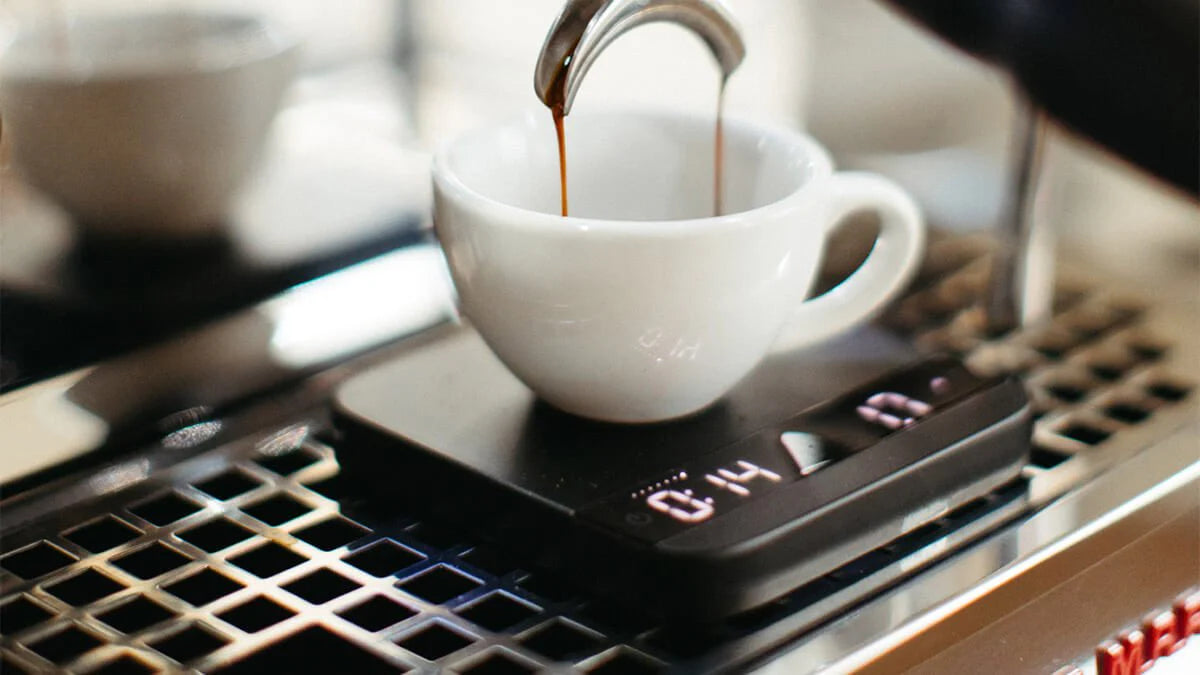
Is El Salvador Coffee Good for Espresso?
Yes.
Many Salvadoran coffees perform exceptionally well as espresso because they combine sweetness, moderate acidity, and medium body.
Espresso commonly highlights:
- Caramel
- Cocoa
- Red fruit
- Brown sugar
These characteristics also pair well with milk, making Salvadoran coffees suitable for flat whites, cappuccinos, and lattes.
Which Brewing Method Works Best?
Each brewing method highlights different aspects of the coffee.
| Brewing Method | Highlights |
|---|---|
| V60 | Floral aroma and citrus clarity |
| Kalita Wave | Sweetness and balance |
| Chemex | Clean finish |
| French Press | Rich body |
| AeroPress | Fruit sweetness |
| Espresso | Chocolate and caramel |
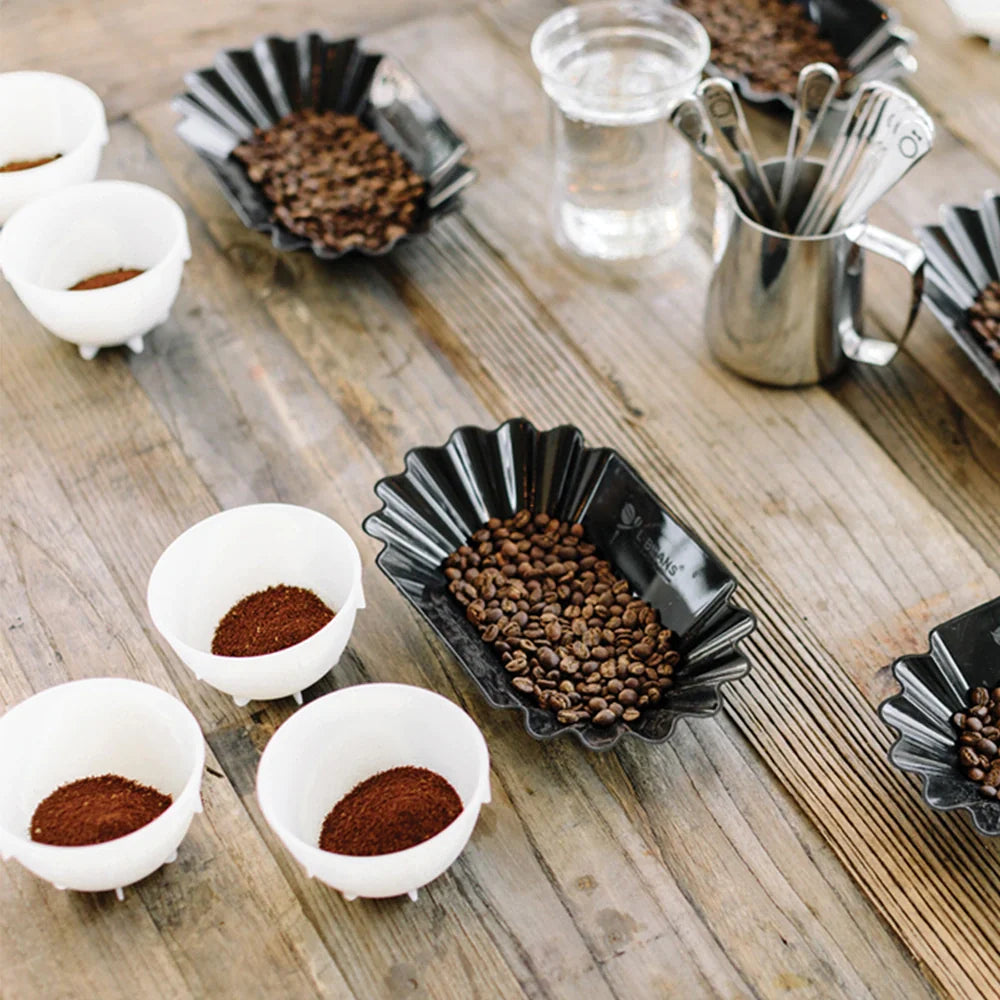
How Roast Level Influences Flavor
Roast level changes how the coffee expresses its origin.
Light Roast
Highlights:
- Citrus
- Floral notes
- Acidity
- Transparency
Ideal for pour-over.
Medium Roast
Highlights:
- Chocolate
- Caramel
- Balanced sweetness
Suitable for espresso and filter brewing.
Dark Roast
Highlights:
- Cocoa
- Toasted nuts
- Lower acidity
Some origin character becomes less pronounced as roast development increases.
How to Choose El Salvador Coffee
Choose based on your preferred cup.
| Preference | Recommended Coffee |
|---|---|
| Daily filter coffee | Bourbon |
| Fruity complexity | Pacamara |
| Espresso | Washed medium roast |
| Milk drinks | Chocolate-forward coffees |
| First single origin | Balanced washed coffee |
Featured Coffee: Finca Miramar
Finca Miramar offers an approachable introduction to Salvadoran specialty coffee.
Its profile reflects the qualities many coffee drinkers seek from the origin:
- Balanced sweetness
- Fruit clarity
- Clean finish
- Versatility across brewing methods
Whether brewed as espresso or pour-over, it demonstrates how careful farming and processing can preserve the distinctive qualities of El Salvador's volcanic growing regions.
Storing El Salvador Coffee
Fresh coffee deserves proper storage.
For best results:
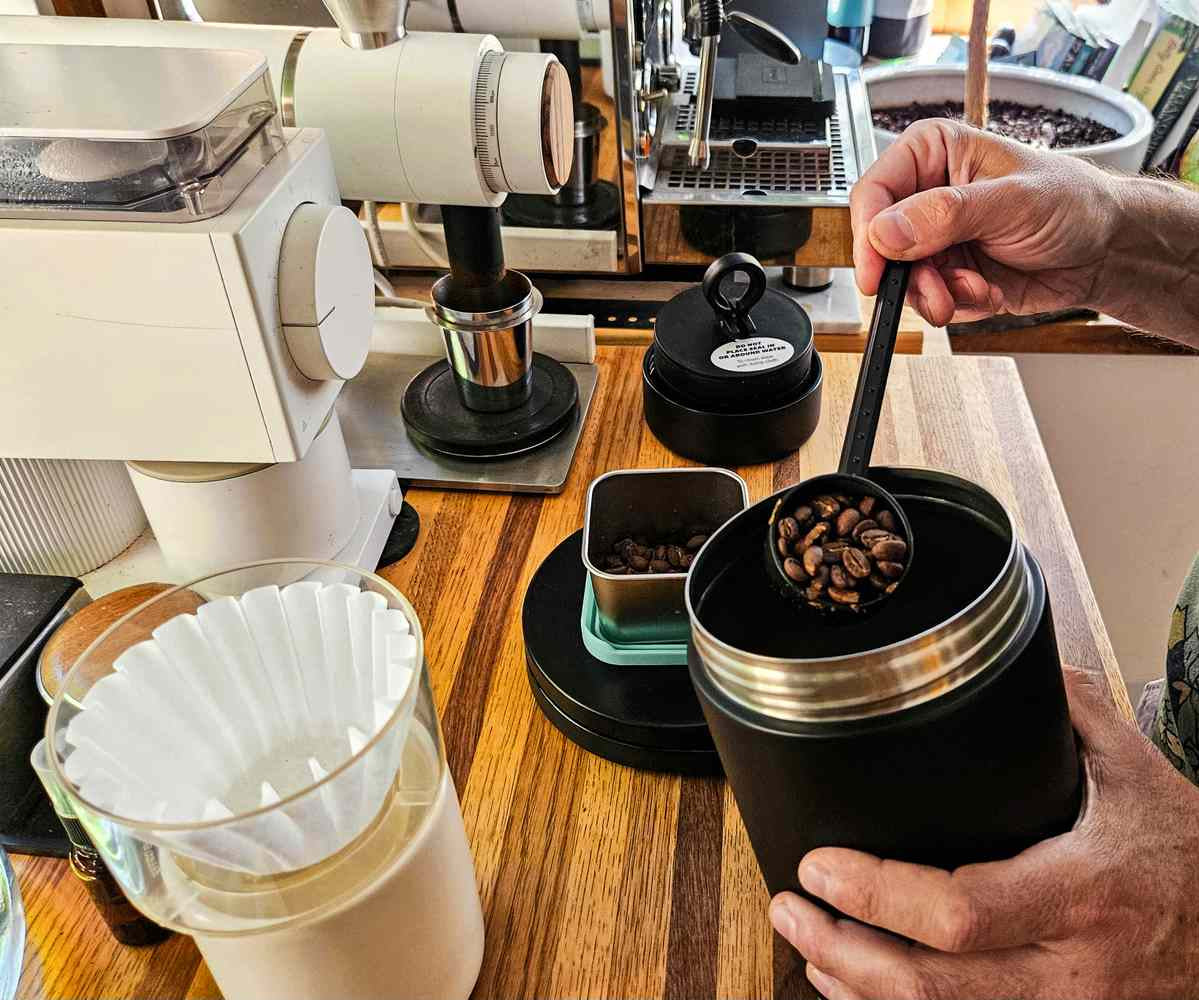
- Store beans in an airtight container.
- Keep them away from light and heat.
- Grind only before brewing.
- Avoid refrigeration.
- Purchase quantities you can finish within several weeks.
A quality storage canister helps maintain freshness while preserving the delicate aromas that make single-origin coffee enjoyable.
Discovering the Character of Salvadoran Coffee
El Salvador continues to earn recognition among specialty coffee producers because of its consistent quality, balanced flavor profile, and diverse growing regions. Whether you enjoy chocolate-forward espresso or bright, fruit-driven filter coffee, Salvadoran coffees offer a wide range of experiences without becoming overwhelming.
For anyone exploring single-origin coffee, Finca Miramar provides an excellent starting point, while Videshi Coffee's brewing equipment, grinders, kettles, and filter brewers help bring out the best in every cup.
Need help?
Frequently Asked Questions
El Salvador coffee is known for its balanced sweetness, medium body, and clean finish. Depending on the growing region and processing method, you'll commonly find notes of milk chocolate, caramel, honey, citrus, red apple, peach, and stone fruit. Many coffees have a smooth, approachable acidity that suits both new and experienced specialty coffee drinkers.
Yes. El Salvador coffee is an excellent choice for espresso because it often produces a balanced shot with chocolate, caramel, and subtle fruit notes. Its medium acidity and rounded body also make it well suited for cappuccinos, flat whites, and lattes, where the coffee remains distinct alongside milk.
El Salvador primarily grows Arabica coffee. The most common varieties include Bourbon, Pacas, Pacamara, and Caturra.
Among these, Pacamara is especially well known because it was developed in El Salvador and is prized for its large beans, floral aroma, tropical fruit notes, and complex sweetness.
Store whole beans in an airtight, opaque container away from heat, moisture, light, and oxygen. Grinding only the amount you need immediately before brewing helps preserve aroma and flavor. For specialty coffees such as Finca Miramar, proper storage allows the coffee's sweetness and origin characteristics to remain vibrant for longer.