

Article: What Is Specialty Coffee and Why Does It Cost More?
What Is Specialty Coffee and Why Does It Cost More?
Specialty coffee is high-quality coffee that receives a score of 80 points or above through professional coffee evaluation standards. It costs more because producing better coffee requires careful farming, selective harvesting, quality processing, and attention throughout the supply chain.
The price of specialty coffee reflects the work behind each bag, from the coffee farm where the cherries are grown to the roasting process that develops the final flavor. Unlike mass-market coffee, specialty coffee focuses on traceability, quality, and the unique characteristics of each origin.
For coffee drinkers, specialty coffee offers the opportunity to explore different flavors from different regions. Coffees such as Ethiopia Gori Gesha, Rwanda Isimbi, and Finca Miramar from Videshi Coffee show how variety, growing conditions, and processing methods influence the cup.

What Is Specialty Coffee?
Specialty coffee is coffee that scores 80 points or higher on a 100-point quality scale during professional evaluation. It is produced with careful attention to farming, harvesting, processing, and roasting.
Specialty coffee is defined by:
- High-quality Arabica beans
- Traceable origin
- Careful production methods
- Distinct flavor characteristics
- Reduced defects
The term describes the quality of the entire coffee journey, not just the final drink.
How Is Specialty Coffee Different From Regular Coffee?
The biggest difference is the level of quality control.
Specialty coffee focuses on:
- Where the coffee was grown
- Who produced it
- How it was processed
- What flavors it naturally develops
Commercial coffee often prioritizes availability and consistency at large scale, while specialty coffee highlights the individual characteristics of each coffee lot.
Why Is Specialty Coffee More Expensive?
1. Coffee Farms Focus on Quality
Specialty coffee often comes from farms located in regions with ideal growing conditions.
Important factors include:
- Altitude
- Climate
- Soil quality
- Coffee variety
Higher-quality production requires careful farming practices and more attention during cultivation.
2. Ripe Cherries Are Selected During Harvest
Coffee quality begins with harvesting.
Specialty coffee producers often select ripe cherries instead of harvesting everything at once.
This helps create:
- Higher sweetness
- Cleaner flavors
- Better consistency
Selective harvesting requires additional labor, which contributes to the final price.
3. Processing Requires Precision
After harvesting, coffee cherries go through processing methods that influence flavor.
Washed Processing
Often produces:
- Clean flavors
- Bright acidity
- Clear origin characteristics
Natural Processing
Often produces:
- Fruit-forward flavors
- Fuller body
- Higher sweetness
Honey Processing
Often produces:
- Balanced sweetness
- Smooth texture
- Complex flavor profiles
Processing requires careful management to protect coffee quality.
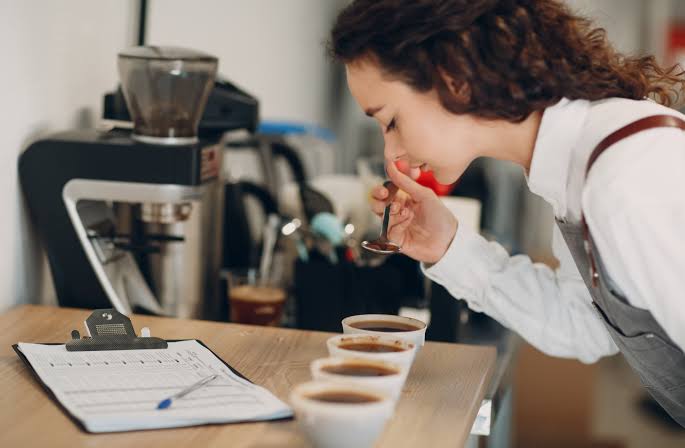
What Does a Specialty Coffee Score Mean?
Specialty coffee professionals evaluate coffee using a standardized scoring system.
Scores consider:
- Aroma
- Flavor
- Acidity
- Body
- Sweetness
- Aftertaste
- Overall quality
A score above 80 points indicates specialty-grade coffee, while higher scores generally represent more distinctive or limited coffees.
Why Does Specialty Coffee Taste Different?
Coffee flavor comes from several factors.
Origin
The growing region influences the natural characteristics of coffee.
Examples:
Ethiopia
- Floral
- Citrus
- Berry
- Tea-like notes
Rwanda
- Chocolate
- Red fruit
- Brown sugar
El Salvador
- Caramel
- Cocoa
- Balanced sweetness
Coffee Variety
Different coffee varieties create different flavor expressions.
Examples include:
- Bourbon
- Typica
- Pacas
- Pacamara
- Gesha
The Gesha variety, featured in coffees such as Ethiopia Gori Gesha, is valued for its floral aroma and complex flavor profile.
Processing Method
Processing changes sweetness, body, and fruit character.
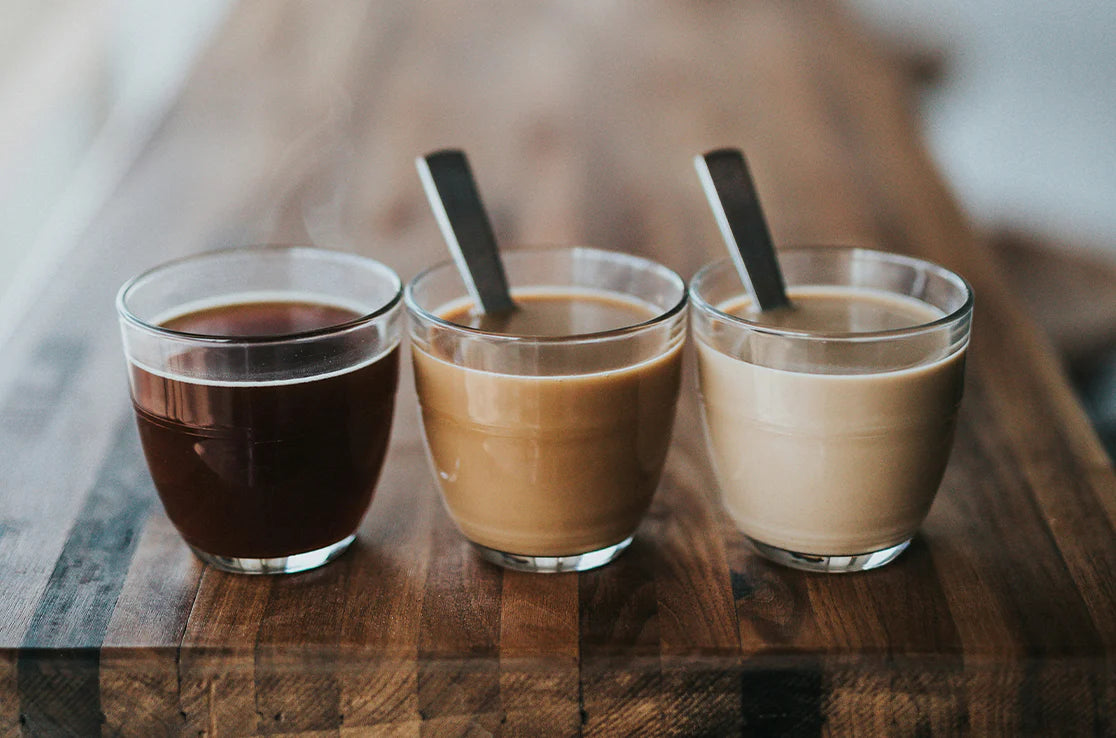
A natural coffee may show more fruit sweetness, while a washed coffee often provides cleaner flavor separation.
Is Specialty Coffee Worth the Price?
Specialty coffee can offer value because it provides:
- More transparent sourcing
- Greater flavor variety
- Higher quality standards
- More unique coffee experiences
The best choice depends on personal taste.
Someone who enjoys rich chocolate and balanced sweetness may prefer:
- Rwanda Isimbi
- Finca Miramar
Someone who enjoys floral and fruit-driven coffees may prefer:
- Ethiopia Gori Gesha
- Ethiopia Gori Gesha
How Should Beginners Choose Specialty Coffee?
Start with flavors you already enjoy.
For Smooth and Sweet Coffee
Choose coffees with:
- Chocolate notes
- Caramel sweetness
- Medium body
Examples:
- Rwanda Isimbi
- Finca Miramar
For Fruity and Floral Coffee
Choose coffees with:
- Berry notes
- Floral aromas
- Bright acidity
Examples:
- Ethiopia Gori Gesha
- Ethiopia West Arsi
For Everyday Specialty Coffee
Choose coffees with:
- Balanced flavor
- Consistent profiles
- Easy-drinking characteristics
Examples:
- Yamuna Gold Blend
- Yamuna Gold Blend
How Videshi Coffee Approaches Specialty Coffee
Videshi Coffee selects specialty coffees based on origin, producer quality, variety, processing method, and flavor characteristics.
The goal is to showcase coffees that allow customers to understand how different regions and production methods influence taste.
From expressive Ethiopian coffees to balanced Rwandan and Central American selections, each coffee provides a different way to explore specialty coffee.
Understanding the Cost Behind Specialty Coffee
Specialty coffee costs more because quality requires careful work at every stage. Farmers, producers, and roasters invest additional time and resources to create coffee with clear flavors, traceable origins, and consistent quality.
Exploring specialty coffee is a way to discover how geography, farming, and processing influence taste. Coffees like Rwanda Isimbi, Ethiopia Gori Gesha, and Finca Miramar demonstrate why specialty coffee has become valued by coffee drinkers around the world.
Need help?
Frequently Asked Questions
Store them in an airtight container, away from heat, light, and moisture, at room temperature.
They stay at their best for about two to three weeks if stored properly.
No. Moisture and odours in the fridge affect the beans and how they brew.
Exposure to air, heat, and humidity causes the beans to lose flavour over time.
It is better to buy smaller quantities that you can finish within two to three weeks.