

Article: Light Roast vs Medium Roast Coffee: Which Should You Choose?
Light Roast vs Medium Roast Coffee: Which Should You Choose?
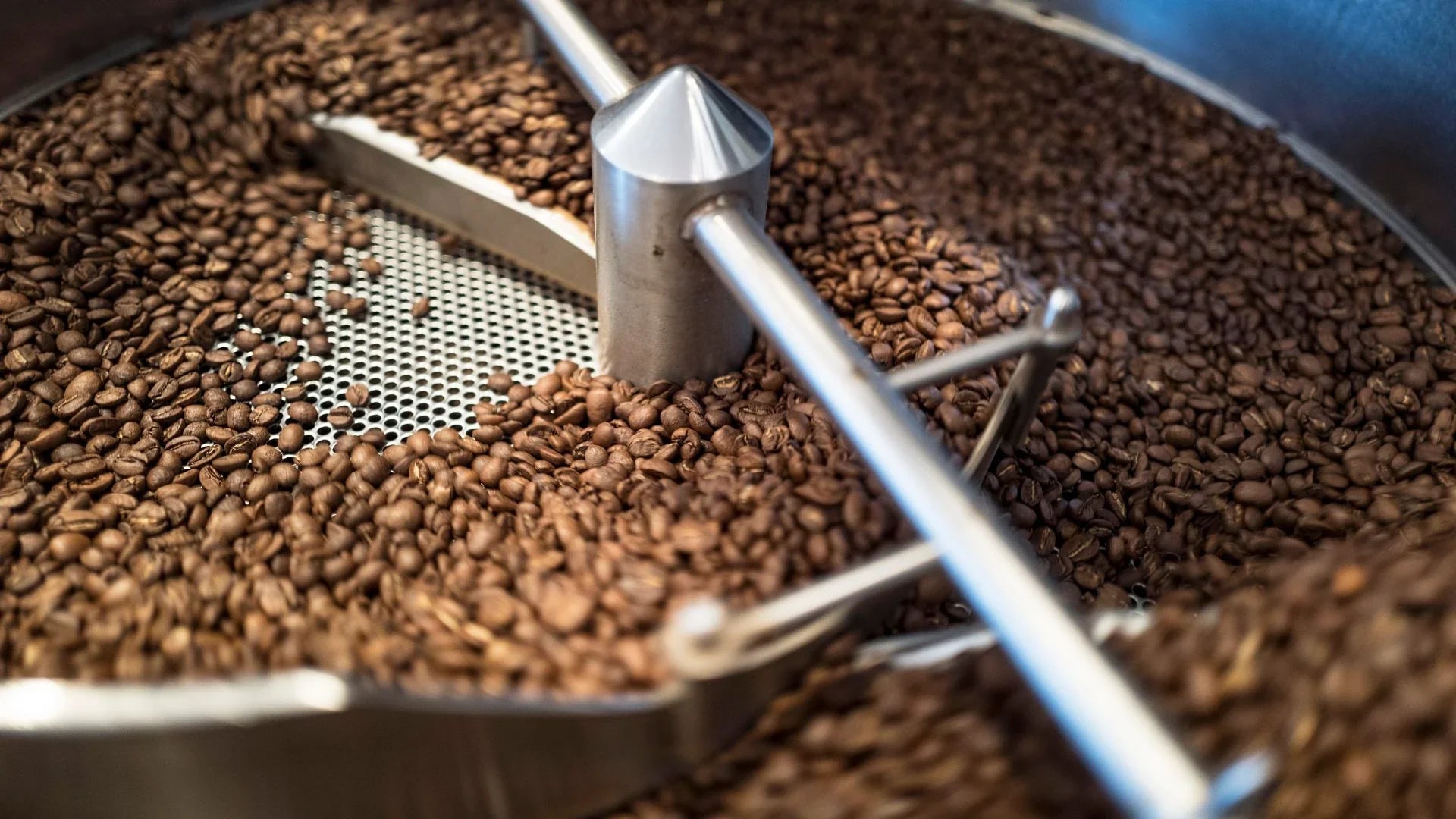
The choice between light roast and medium roast coffee depends on your flavour preference and brewing method. Light roast coffee usually tastes brighter, more floral, and more fruit-led. Medium roast coffee is generally sweeter, rounder, and easier to brew, with chocolate, caramel, nut, or cooked-fruit flavours.
Choose light roast for filter brewing and clear origin character. Choose medium roast for espresso, milk drinks, French press, AeroPress, or one coffee that works across several methods.
Medium roast is usually the safer choice for beginners. Light roast suits drinkers who enjoy brighter acidity and have enough control over grind size, water temperature, and extraction.
How Does Light Roast Coffee Taste?
Light roast coffee preserves a greater share of the flavours created by the coffee’s origin, variety, altitude, and processing method.
Common characteristics include:
- Floral aroma
- Citrus or berry acidity
- Tea-like texture
- Light to medium body
- Clear flavour separation
Light roast doesn’t always mean sour. Sourness usually indicates under-extraction. Since light roast beans are dense and less soluble, they often require hotter water, a finer grind, or longer contact time.
Coffee such as Ethiopia Idido Yirgacheffe Natural can show black tea, bergamot, apricot, and dark chocolate notes. These characteristics are well suited to filter brewing.
How Does Medium Roast Coffee Taste?
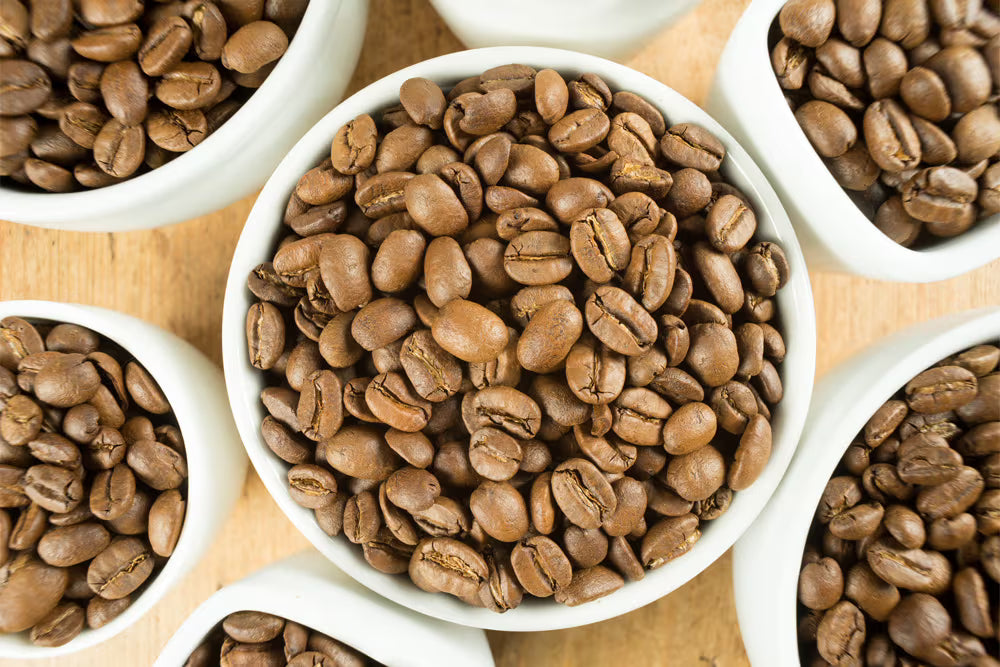
Medium roast coffee balances origin flavour with greater roast development.
Common characteristics include:
- Balanced acidity
- Caramel sweetness
- Chocolate or nut flavours
- Medium body
- Rounded finish
Medium roasts are easier to extract and usually perform well across manual brewers and espresso machines.
Ethiopia West Arsi is offered by Videshi Coffee as a medium roast with prune, stone fruit, and chocolate notes. It is positioned for both filter and espresso brewing.
Light Roast vs Medium Roast Coffee at a Glance
| Feature | Light Roast | Medium Roast |
|---|---|---|
| Flavour | Floral, citrus, berry, tea | Chocolate, caramel, nuts, cooked fruit |
| Acidity | Bright | Balanced |
| Body | Light to medium | Medium |
| Ease of brewing | Requires closer control | More forgiving |
| Filter coffee | Excellent | Excellent |
| Espresso | Technical and fruit-led | Balanced and easier to dial in |
Which Roast Is Better for Filter Coffee?
Light roast is a strong choice for V60, Chemex, and Kalita brewing because these methods highlight aroma and flavour clarity.
Use:
- Hotter water
- A medium-fine grind
- Controlled pouring
- Enough contact time for complete extraction
Medium roast produces a sweeter and fuller filter coffee. It is a good option for people who enjoy pour-over but prefer lower perceived acidity.
Which Roast Is Better for Espresso?
Medium roast is usually better for everyday espresso. It extracts more easily, provides fuller body, and works well in milk-based drinks.
Light roast espresso can be excellent, but it often needs:
- A capable grinder
- Higher brewing temperature
- A longer brew ratio
- Careful adjustment throughout the day
For cafés using one main espresso coffee, medium roast is generally the practical choice.
Which Roast Works Better with Milk?
Medium roast usually works better with milk. Chocolate, caramel, and nut flavours remain clear in cappuccino, latte, and flat white recipes.
Light roast coffee can work with milk when it has strong fruit sweetness, but delicate floral notes may become less noticeable.
What About AeroPress, French Press, and Cold Brew?
AeroPress: Both roast levels work well. Choose light roast for clarity and medium roast for sweetness.
French press: Medium roast produces a fuller and rounder cup. Light roast needs hotter water and sufficient agitation to avoid under-extraction.
Cold brew: Medium roast is usually easier to work with and provides chocolate-led sweetness. Light roast can create a brighter cold brew but may require a longer extraction or finer grind.

Which Roast Suits Your Equipment?
Choose medium roast when using:
- Entry-level grinders
- Basic home espresso machines
- Bean-to-cup machines
- Moka pots
- One brewer for several recipes
Choose light roast when using:
- A consistent burr grinder
- Temperature-controlled water
- V60, Chemex, or Kalita
- Scales and repeatable recipes
- A consistent burr grinder
- Temperature-controlled water
- V60, Chemex, or Kalita
- Scales and repeatable recipes
Which Roast Should Cafés Serve?
Small specialty cafés can use a medium roast for espresso and offer a rotating light roast for filter coffee.
Medium-volume cafés usually benefit from a medium roast house coffee because it works across espresso, Americano, and milk drinks.
High-volume cafés should prioritise extraction consistency. A medium roast on the main grinder reduces adjustment pressure during busy service. Light roast can be offered through batch brew or manual filter service.
Which Roast Offers Better Value?
Price depends more on coffee quality, origin, processing, and lot size than roast level.
Medium roast may offer better practical value when one bag needs to work across several methods. Light roast may be worthwhile when the buyer specifically wants traceable single-origin flavour and uses filter equipment capable of extracting it properly.
How to Choose Your Coffee
Choose light roast if you enjoy:
- Floral or citrus flavours
- Brighter acidity
- Filter brewing
- Comparing coffee origins
- Adjusting recipes
Choose medium roast if you enjoy:
- Chocolate and caramel flavours
- Balanced acidity
- Espresso or milk drinks
- Easier extraction
- Brewing one coffee several ways
For a first purchase, medium roast is usually the better starting point. Once you understand the acidity, body, and sweetness you prefer, exploring lighter roasts becomes easier.
Videshi Coffee’s current roasted range includes origin-specific coffees and blends such as Ethiopia Idido Yirgacheffe Natural, Ethiopia West Arsi, El Salvador Finca Miramar, Rwanda Isimbi Fully Washed, and Espresso Blend Aranya.
Need help?
Frequently Asked Questions
The difference is small when coffee is measured by weight. Brew ratio and the amount of coffee used affect caffeine more than choosing light or medium roast.
Light roast usually has brighter perceived acidity because less roast development has occurred. Origin and processing also affect acidity.
A properly roasted and brewed medium roast shouldn’t taste excessively bitter. Bitterness often comes from over-extraction, overly hot brewing, or poor roast development.
Yes. Medium roast can produce a sweet, balanced pour-over with greater body and softer acidity than a typical light roast.
Medium roast is usually better for beginners because it extracts more easily, works across several brewing methods, and offers balanced sweetness and acidity.