

Article: Ethiopian Coffee Guide: Regions, Processing and Flavor Profiles
Ethiopian Coffee Guide: Regions, Processing and Flavor Profiles

Ethiopian coffee is widely regarded as one of the most distinctive coffee origins in the world. If you're wondering what Ethiopian coffee tastes like, the short answer is that it often delivers floral aromas, bright acidity, complex fruit notes, and exceptional clarity in the cup. Depending on the region and processing method, flavors can range from jasmine and bergamot to blueberry, peach, citrus, and tea-like characteristics.
For coffee drinkers exploring specialty coffee, Ethiopian coffee is often the benchmark for understanding how origin influences flavor. Its diversity comes from a combination of heirloom coffee varieties, high elevations, unique growing environments, and a long coffee-growing tradition that predates most producing countries.
This guide explains Ethiopian coffee regions, processing methods, flavor profiles, and how to choose the right Ethiopian coffee based on your taste preferences.
What Is Ethiopian Coffee?
Ethiopian coffee refers to coffee grown in Ethiopia, widely considered the birthplace of Arabica coffee.
Many of the Arabica varieties grown around the world today can trace their origins back to Ethiopia. The country contains thousands of indigenous coffee varieties, often grouped under the term "Ethiopian heirloom."
Unlike many producing countries that rely on a limited number of cultivars, Ethiopian coffee benefits from significant genetic diversity. This contributes to the complexity and variety found across different regions.

Ethiopian coffee characteristics
Common characteristics include:
- Floral aromatics
- Citrus acidity
- Stone fruit sweetness
- Berry notes
- Tea-like body
- Complex aftertaste
- High cup clarity
Not every Ethiopian coffee displays all of these traits. Processing method, region, altitude, and roast level all influence the final cup.
Why Does Ethiopian Coffee Taste Different?
Several factors contribute to the unique character of Ethiopian coffee.

High altitude growing conditions
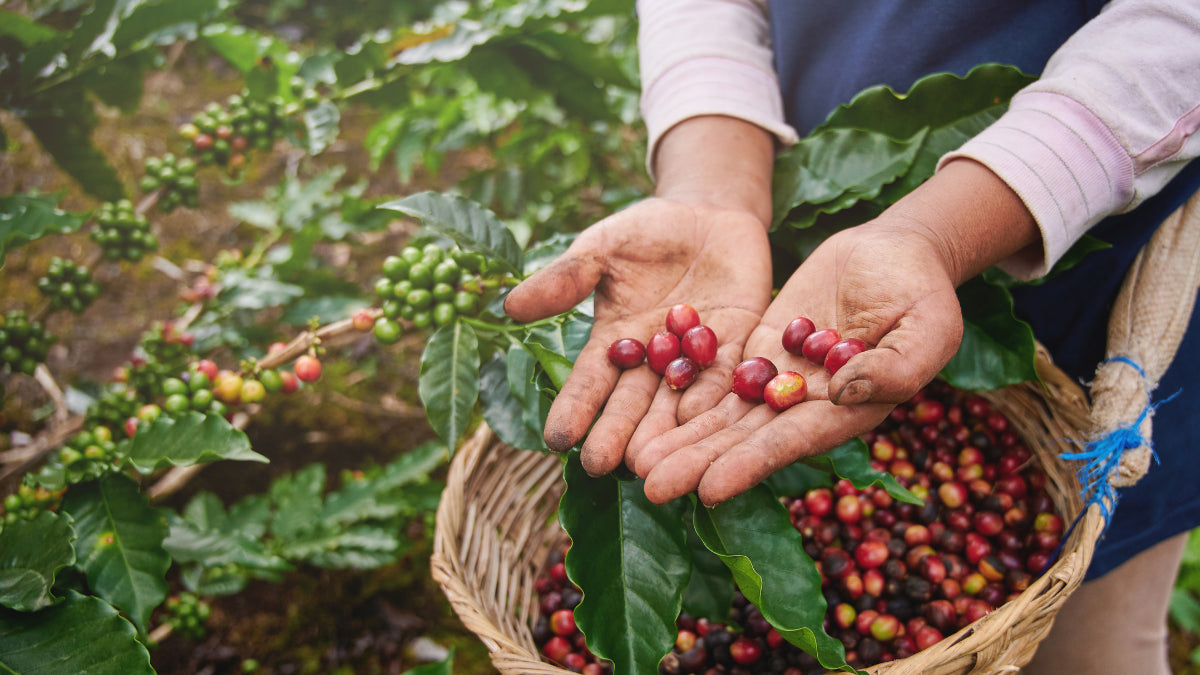
Many Ethiopian coffees are grown between 1,700 and 2,300 meters above sea level.
Higher elevations generally slow cherry maturation. This extended development period allows sugars and organic compounds to develop more fully, creating greater complexity.
Indigenous coffee varieties
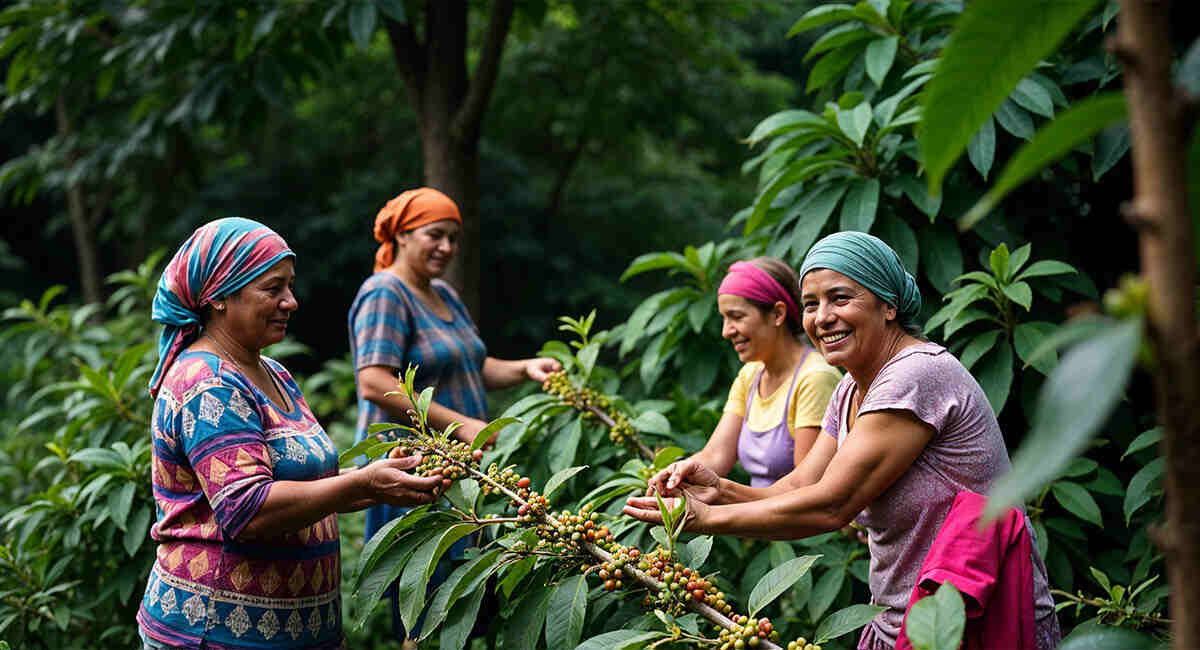
Ethiopia's heirloom varieties create a broader flavor spectrum than many commercial coffee cultivars grown elsewhere.
These varieties contribute floral, fruit-forward, and tea-like characteristics that are often difficult to replicate.
Traditional farming practices
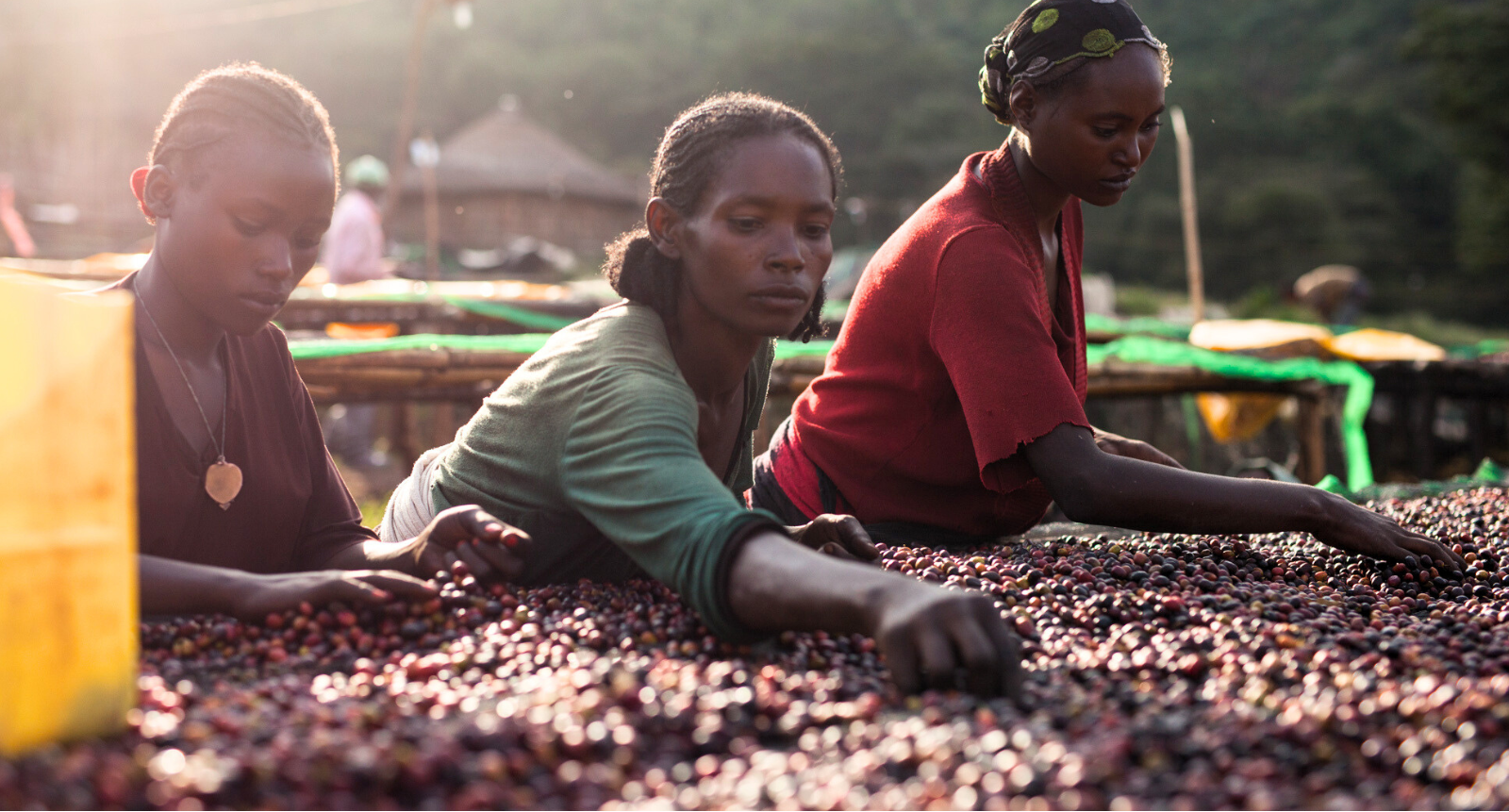
Much of Ethiopia's coffee is produced by smallholder farmers managing small plots of land.
Coffee is frequently grown under natural shade alongside other crops, supporting slower development and diverse growing environments.
Ethiopian Coffee Regions Explained
Understanding Ethiopian coffee begins with understanding its major producing regions.
Each region produces distinct flavor profiles.
| Region | Typical Flavor Notes | Acidity | Body | Common Processing |
|---|---|---|---|---|
| Yirgacheffe | Jasmine, bergamot, lemon, tea | High | Light | Washed, Natural |
| Guji | Peach, floral, tropical fruit | High | Medium | Washed, Natural |
| Sidama | Citrus, berries, honey | Medium-High | Medium | Washed, Natural |
| Harrar | Blueberry, wine, chocolate | Medium | Heavy | Natural |
| Limu | Citrus, spice, caramel | Medium | Medium | Washed |
| Jimma | Cocoa, nuts, spice | Medium | Medium-Heavy | Washed, Natural |
What Does Yirgacheffe Coffee Taste Like?
Yirgacheffe is one of Ethiopia's most famous coffee regions.
A washed Yirgacheffe often presents:
- Jasmine aroma
- Bergamot notes
- Lemon zest
- Black tea character
- Delicate sweetness
Natural processed Yirgacheffe coffees may introduce:
- Strawberry
- Blueberry
- Tropical fruit
- Candy-like sweetness
For many coffee professionals, Yirgacheffe represents the classic floral Ethiopian profile.
What Does Guji Coffee Taste Like?
Guji has gained significant attention in specialty coffee over the last decade.
Compared to Yirgacheffe, Guji coffees often deliver:
- More tropical fruit
- Greater sweetness
- Rounder body
- Floral complexity
Common flavor notes include:
- Peach
- Apricot
- Mango
- Orange blossom
- Honey
Many specialty roasters seek Guji coffees because they balance complexity with accessibility.
What Does Sidama Coffee Taste Like?
Sidama is one of Ethiopia's largest coffee-producing regions.
Flavor characteristics often include:
- Citrus
- Red berries
- Stone fruit
- Honey sweetness
- Floral undertones
Sidama coffees frequently offer an approachable introduction to Ethiopian coffee because they combine fruit complexity with balanced structure.
What Does Harrar Coffee Taste Like?
Harrar produces some of Ethiopia's most distinctive natural processed coffees.
These coffees often display:
- Blueberry
- Dark fruit
- Wine-like notes
- Cocoa
- Spice
Compared to Yirgacheffe or Guji, Harrar coffees typically have a heavier body and deeper fruit character.
Coffee drinkers who enjoy bold natural coffees often gravitate toward Harrar.
Ethiopian Coffee Processing Methods
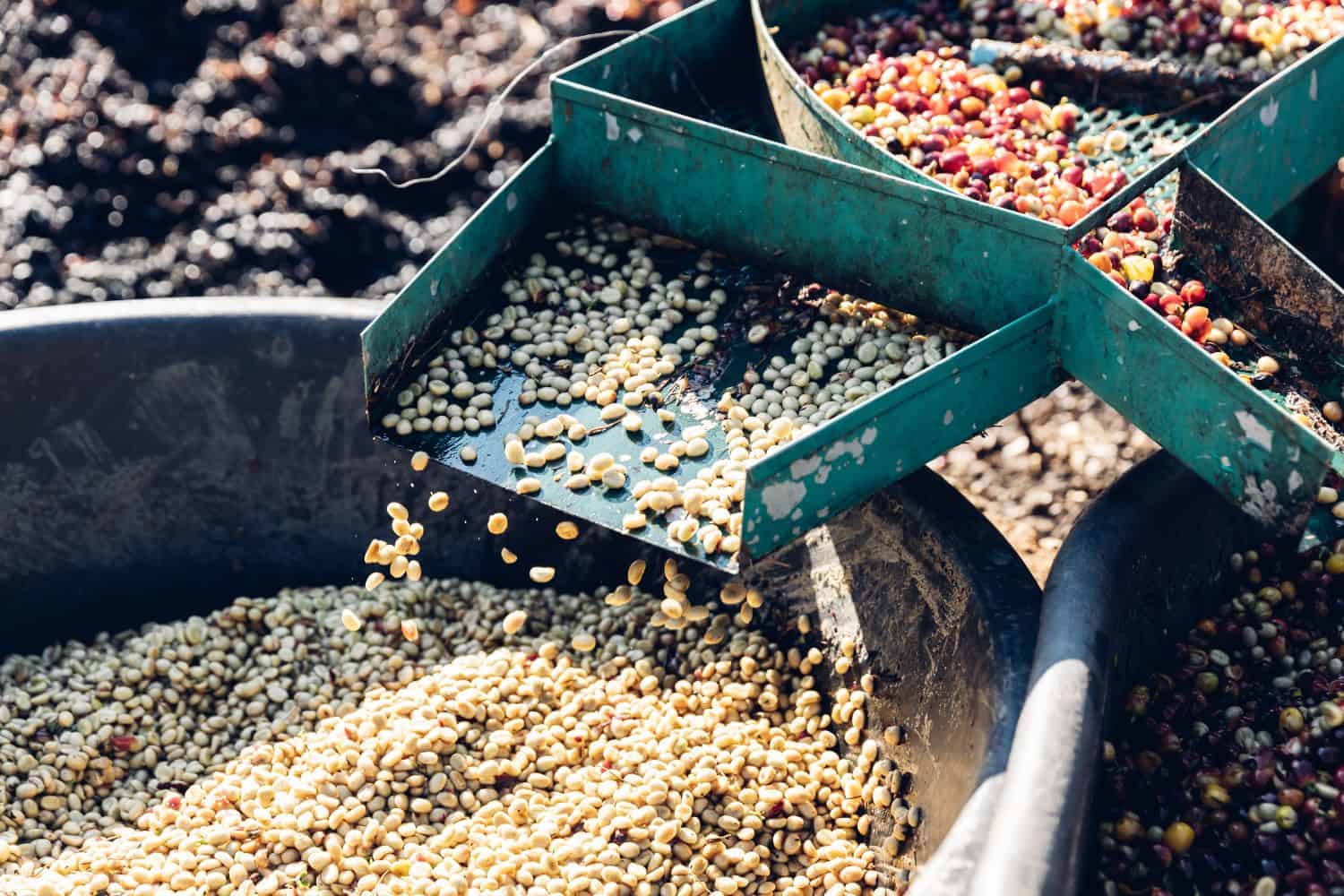
Processing plays a major role in shaping flavor.
What Is Washed Ethiopian Coffee?
In the washed process, fruit is removed before drying.
This method emphasizes:
- Clarity
- Acidity
- Floral notes
- Transparency of origin
Typical washed Ethiopian flavors include:
- Jasmine
- Citrus
- Tea
- Bergamot
- Stone fruit
Many Yirgacheffe and Sidama coffees are processed this way.
What Is Natural Process Ethiopian Coffee?
Natural processing dries the entire coffee cherry before removing the fruit.
This method generally increases:
- Fruit intensity
- Sweetness
- Body
Common natural Ethiopian flavors include:
- Blueberry
- Strawberry
- Tropical fruit
- Wine-like notes
Natural Ethiopian coffees helped introduce many consumers to specialty coffee's fruit-forward side.
| Feature | Washed Ethiopian Coffee | Natural Ethiopian Coffee |
|---|---|---|
| Acidity | Higher | Moderate |
| Clarity | Very high | Moderate |
| Fruit intensity | Moderate | High |
| Floral notes | Strong | Moderate |
| Body | Light | Medium to Heavy |
| Sweetness | Clean | Intense |
| Typical flavors | Citrus, tea, jasmine | Berry, tropical fruit, chocolate |
How to Choose Ethiopian Coffee Based on Flavor Preferences
Different Ethiopian coffees appeal to different preferences.
If you enjoy floral coffees
Look for:
- Washed Yirgacheffe
- Washed Guji
Expected flavors:
- Jasmine
- Tea
- Bergamot
- Jasmine
- Tea
- Bergamot
If you enjoy fruity coffees
Look for:
- Natural Guji
- Natural Sidama
- Natural Harrar
Expected flavors:
- Blueberry
- Strawberry
- Peach
- Blueberry
- Strawberry
- Peach
If you enjoy balanced coffees
Look for:
- Washed Sidama
- Limu
Expected flavors:
- Honey
- Citrus
- Stone fruit
- Honey
- Citrus
- Stone fruit
If you enjoy bold coffees
Look for:
- Harrar
- Natural processed lots
Expected flavors:
- Dark berries
- Cocoa
- Spice
- Dark berries
- Cocoa
- Spice
Best Brewing Methods for Ethiopian Coffee
The brewing method affects how Ethiopian coffee expresses its flavor.

Espresso
Ethiopian coffees can produce expressive espresso shots.
Depending on the coffee, espresso may display:
- Berry notes
- Citrus sweetness
- Floral complexity
- Chocolate undertones
Many specialty coffee drinkers seek Ethiopian coffees specifically for modern espresso profiles.

Pour over
Methods such as V60 often highlight:
- Floral aromatics
- Acidity
- Clarity
Recommended for:
- Washed Yirgacheffe
- Washed Guji
- Washed Yirgacheffe
- Washed Guji

AeroPress
AeroPress can balance sweetness and acidity while maintaining clarity.
Recommended for:
- Most Ethiopian coffees

French Press
French Press tends to increase body and texture.
Recommended for:
- Natural processed coffees
How Ethiopian Coffee Compares With Other Popular Origins
Ethiopian vs Colombian Coffee
| Feature | Ethiopian Coffee | Colombian Coffee |
|---|---|---|
| Acidity | Higher | Medium |
| Floral notes | High | Low |
| Fruit complexity | Very high | Moderate |
| Body | Light to Medium | Medium |
| Sweetness | Fruit-driven | Caramel-driven |
Ethiopian vs Brazilian Coffee
| Feature | Ethiopian Coffee | Brazilian Coffee |
|---|---|---|
| Flavor profile | Floral and fruit-forward | Nutty and chocolatey |
| Acidity | Higher | Lower |
| Body | Light to Medium | Medium to Heavy |
| Processing diversity | High | Moderate |
Why Ethiopian Coffee Is Important in Specialty Coffee
Ethiopia occupies a unique position within specialty coffee.
Many flavor descriptors commonly associated with specialty coffee first became widely recognized through Ethiopian coffees.
Characteristics such as:
- Jasmine
- Bergamot
- Blueberry
- Peach
- Tea-like structure
are often demonstrated most clearly in Ethiopian lots.
For roasters, cafés, and home brewers, Ethiopian coffee provides a useful reference point when evaluating origin character and processing influence.
At Videshi Coffee, Ethiopian coffees are often sought after by customers interested in exploring traceable single-origin coffees with distinctive regional characteristics.
Choosing the Right Ethiopian Coffee
The best Ethiopian coffee depends on what you enjoy drinking.
Choose washed Yirgacheffe if you enjoy floral and tea-like coffees.
Choose Guji if you want fruit complexity combined with sweetness.
Choose Sidama if you're looking for a balanced introduction to Ethiopian coffee.
Choose Harrar if you prefer bold fruit notes and a fuller body.
Understanding region and processing method will often tell you more about the expected flavor than any tasting note listed on the bag.
Need help?
Frequently Asked Questions
Yes. Many Ethiopian coffees have bright acidity. This usually presents as citrus or fruit-like brightness rather than sourness.
The combination of heirloom varieties, high-altitude growing conditions, and natural processing contributes to pronounced fruit flavors.
Yirgacheffe is widely considered Ethiopia's most recognized specialty coffee region.
Yes. Many Ethiopian coffees produce expressive espresso with fruit, floral, and citrus characteristics.
Yirgacheffe often emphasizes floral and tea-like notes, while Guji typically offers greater fruit sweetness and tropical character.