

Article: Why does my coffee taste bitter or sour (and how to fix it)
Why does my coffee taste bitter or sour (and how to fix it)
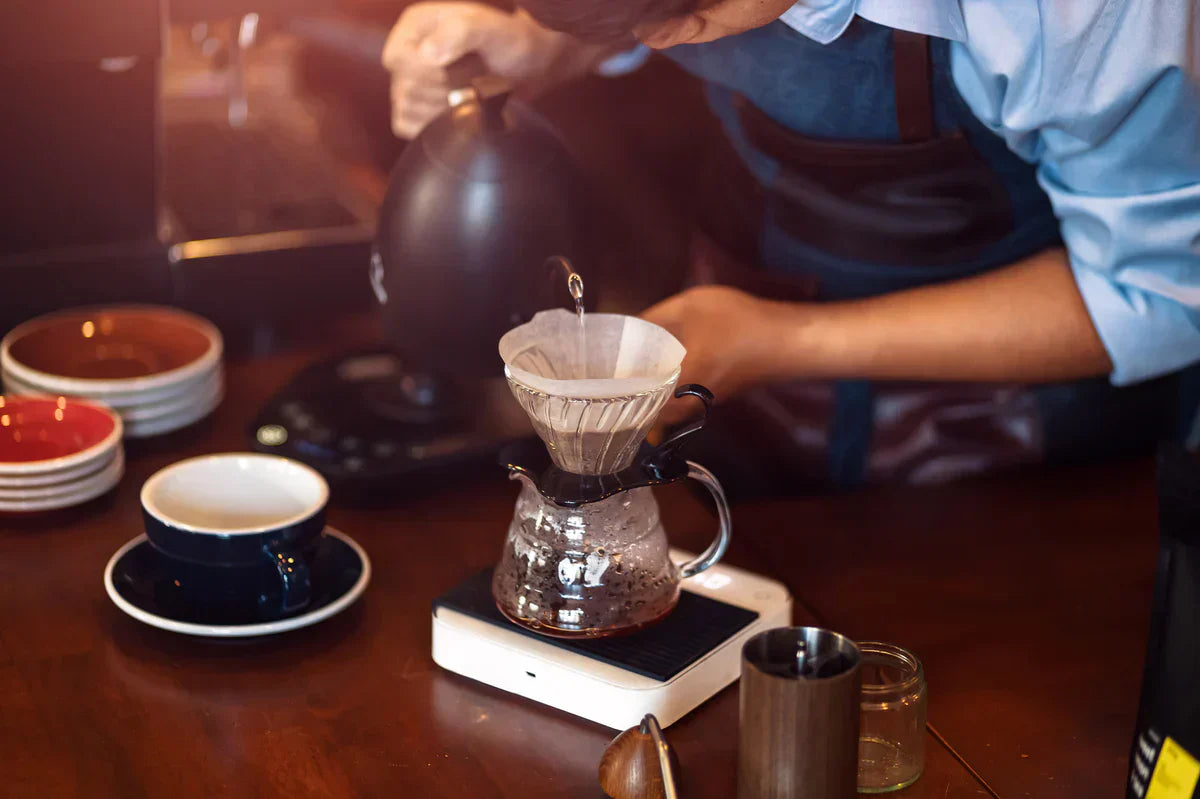
You brew a cup. It looks fine. Then you taste it and something is off. Too sharp. Or too heavy. Sometimes both, depending on the day.
That usually comes down to extraction.
If your coffee tastes sour, it is under-extracted. If it tastes bitter, it is over-extracted. This is controlled by grind size, brew time, and coffee-to-water ratio. Sour coffee needs more extraction. Bitter coffee needs less. Adjusting grind size is usually the fastest way to correct both.
Why does my coffee taste sour
Sour coffee is under-extracted coffee. This means water has not pulled enough from the coffee grounds, so you are tasting the early-stage acids without the balance that comes later.
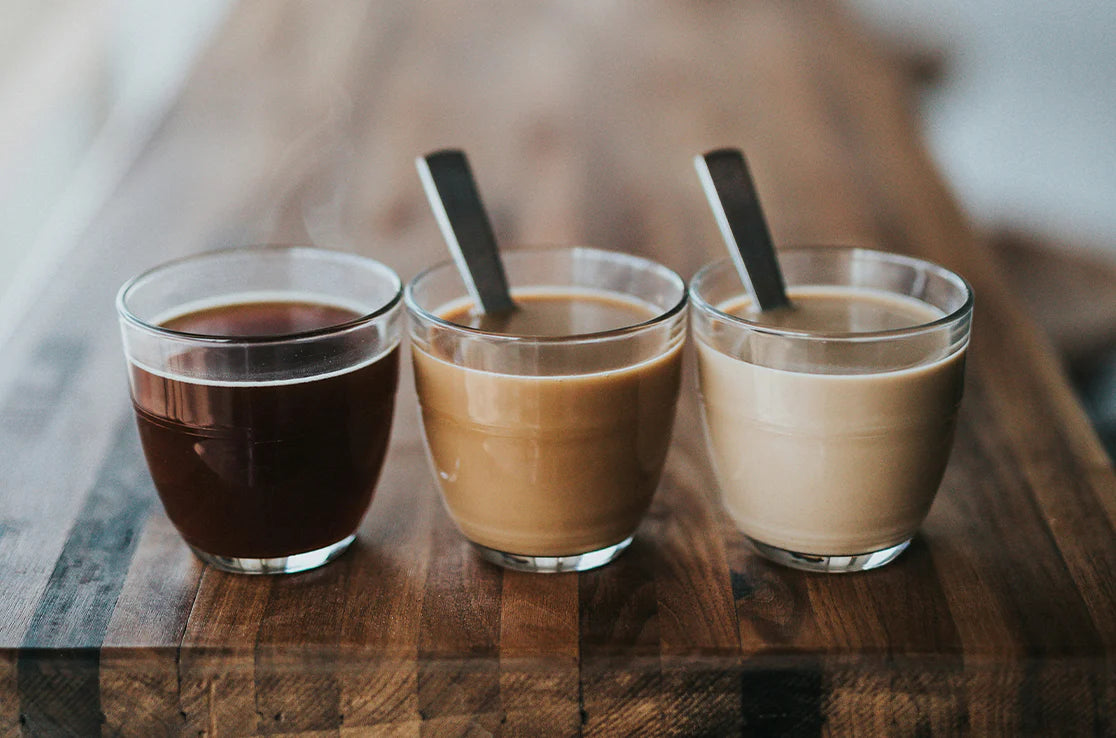
What causes sour coffee
- Grind is too coarse: Water passes through too quickly
- Brew time is too short: There is not enough contact
- Water temperature is too low: Extraction slows down
- Coffee dose is too high: Water cannot extract evenly
What sour coffee actually tastes like
Sharp and bright, but thin. The flavour fades quickly and does not feel complete.
This is easy to notice with coffees like Ethiopia Sidama Taferi Kela or Idido Yirgacheffe Natural from Videshi. These coffees naturally carry acidity, so when extraction is off, that acidity becomes sharp rather than structured.
How to fix sour coffee
To fix sour coffee, increase extraction slightly. Start with grind size. Make it finer. If that is not enough, extend brew time. Let water stay in contact with the coffee longer. Check your ratio. Too much coffee can limit extraction. If your water is below 92°C, increase it slightly.
Small changes are enough. Large changes tend to create bitterness.
Why does my coffee taste bitter
Bitter coffee is over-extracted coffee. Water has pulled too much from the coffee, including heavier compounds that create dryness and harshness.
What causes bitter coffee
- Grind is too fine: Water moves too slowly
- Brew time is too long: Too much contact
- Water temperature is too high: Extraction becomes aggressive
- Coffee dose is too low: Water extracts too much
What bitter coffee actually tastes like
Heavy, dry, and lingering. The taste stays longer than it should and flattens other flavours.
This shows up clearly in coffees like Finca Miramar (El Salvador) or blends like Aranya and Yamuna Gold. These coffees have a natural sweetness and body, but when over-extracted, they become flat and dull.
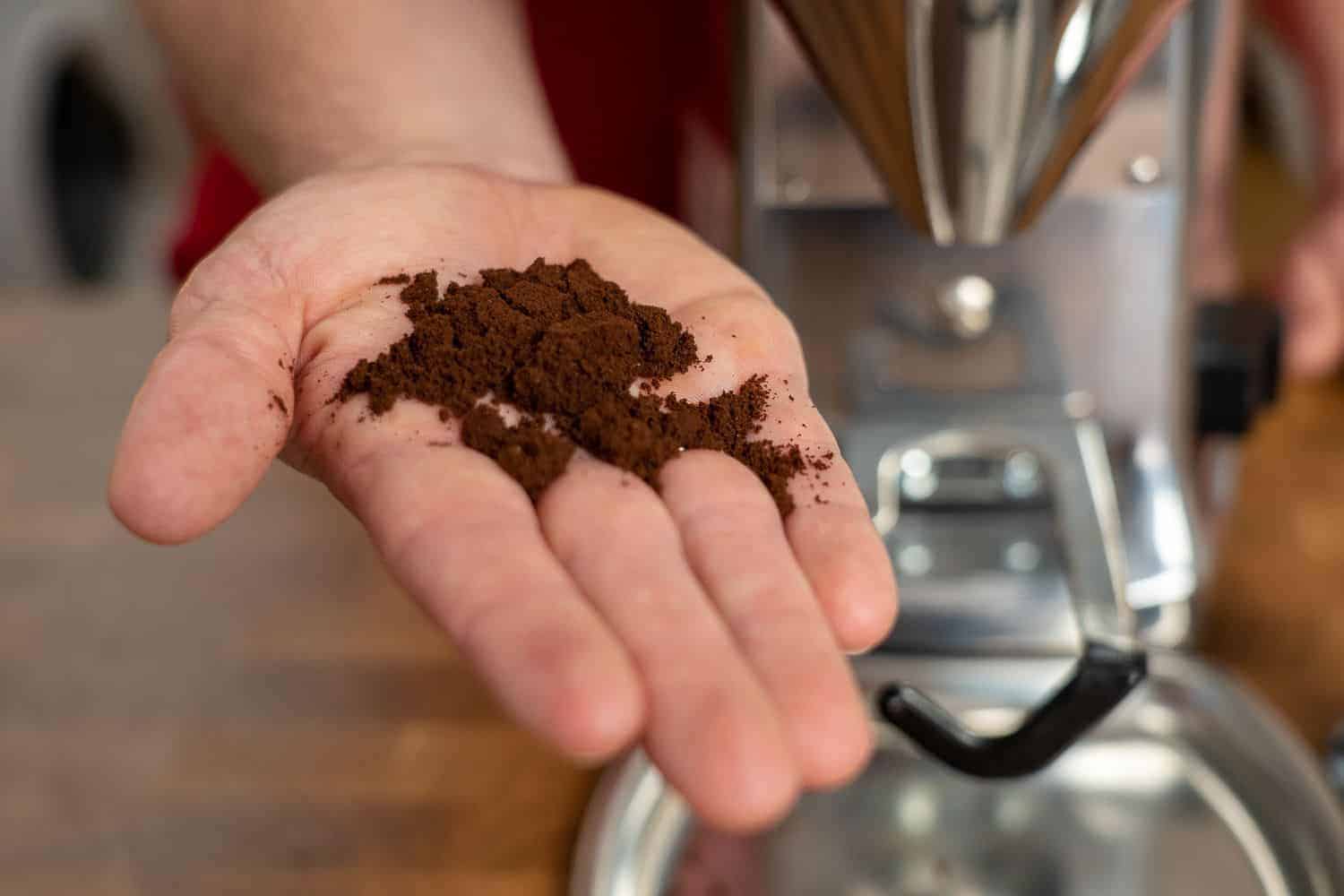
How to fix bitter coffee
To fix bitter coffee, reduce extraction slightly. Make your grind coarser. If needed, shorten brew time so water passes through more quickly. Check your ratio. Too little coffee can lead to over-extraction. If your water temperature is high, bring it down slightly.
The adjustment should be small. You are not trying to reset the entire brew.
How grind size affects bitter and sour taste
Grind size is the most important variable.
It controls how quickly water moves through the coffee.
- Coarse grind leads to faster flow and under-extraction
- Fine grind slows flow and increases extraction
If your coffee tastes sour, your grind is usually too coarse. If it tastes bitter, your grind is usually too fine.
This is why grind adjustment is the first step when correcting taste.
How different Videshi coffees respond to extraction
Not all coffees react the same way, but they follow a pattern.
Ethiopian coffees like Yirgacheffe or Sidama show sourness quickly when under-extracted. When dialled in, they become clean and structured.
Rwandan coffees like Mushonyi Experimental Washed sit in the middle. They are more balanced and slightly more forgiving.
Blends like Aranya and Yamuna Gold are designed for body and smoothness. They handle different brew methods well, but over-extraction pushes them into bitterness faster.
Understanding this helps you adjust faster without guessing.
Why the same coffee tastes different every day
This is where most people get stuck. You do the same thing, but the result changes.
In most cases, small variables are moving:
- Grind setting shifts slightly
- Humidity changes how coffee behaves
- Your pouring changes without noticing
- Beans age after roasting
- Water temperature varies
Each of these is small. Together, they change extraction.
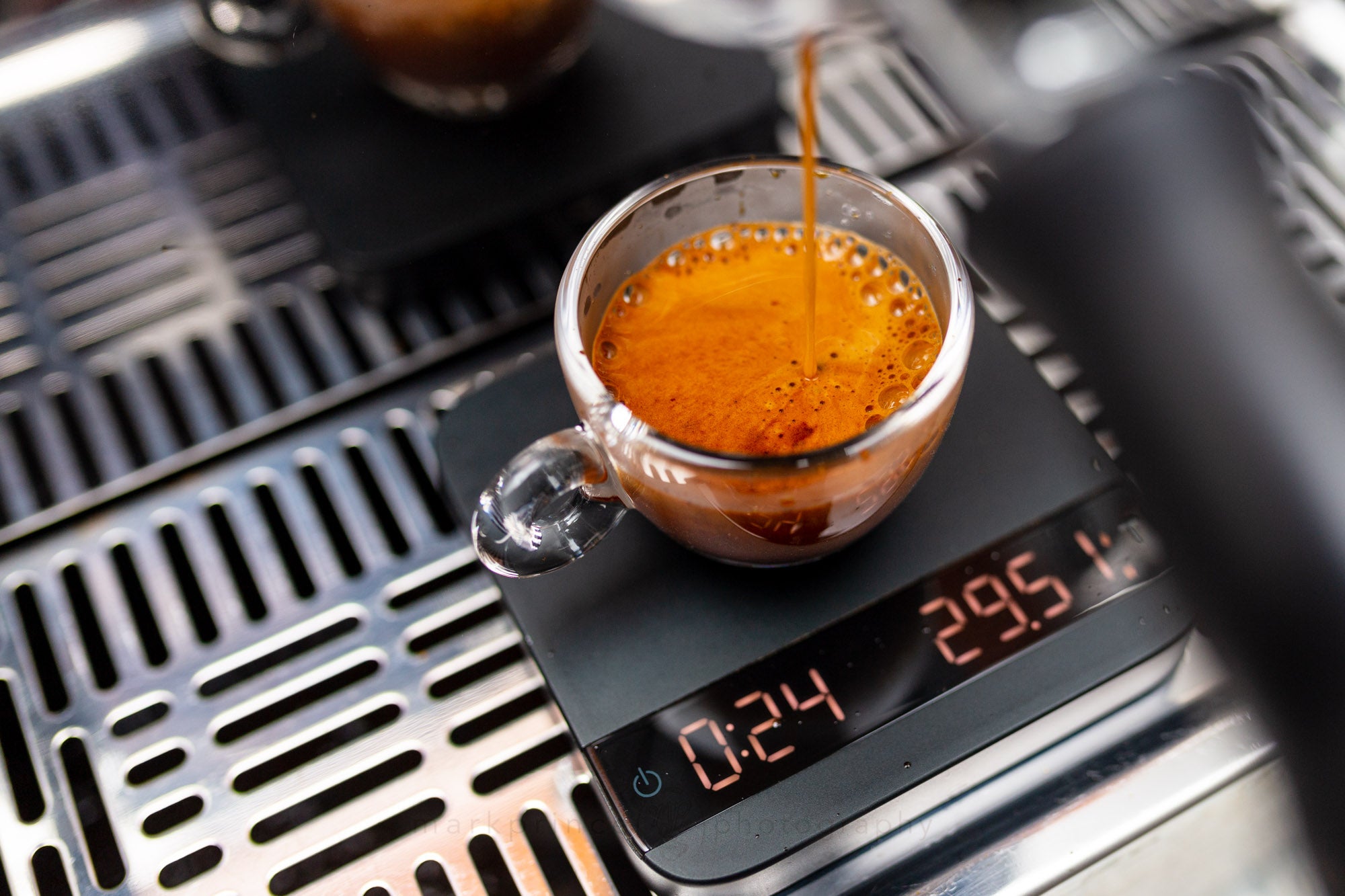
How to make your coffee taste consistent
Consistency comes from controlling a few basics.
- Use a scale so your ratio stays the same
- Keep your grind setting stable
- Track your brew time
- Use water at a consistent temperature
Once these are stable, adjustments become easier and more predictable.
Common mistakes that cause bitter or sour coffee
- Changing multiple variables at once makes it difficult to identify the issue.
- Assuming the beans are the problem leads to unnecessary changes.
- Ignoring grind size is the most common mistake.
- Not adjusting as beans age causes inconsistency.
- Overcorrecting creates a cycle of imbalance.
How to fix your coffee quickly without overthinking
If your coffee tastes sour, make the grind slightly finer. If your coffee tastes bitter, make the grind slightly coarser.
This solves most problems. Only adjust further if needed.
What this means when choosing coffee
The beans set the flavour direction. Your brewing determines whether that flavour comes through clearly.
A coffee like Ethiopia Yirgacheffe from Videshi will always lean towards brightness, but it should not taste sharp or unpleasant. A coffee like Finca Miramar will lean towards chocolate, but it should not taste heavy or bitter.
If the cup feels off, it is usually the extraction.
Need help?
Frequently Asked Questions
Coffee tastes sour when it is under-extracted and bitter when it is over-extracted. This is controlled by grind size, brew time, and ratio.
Make your grind slightly finer or increase brew time to allow more extraction.
Make your grind slightly coarser or reduce brew time to prevent over-extraction.
Yes, but usually in combination with brewing. The beans set the flavour direction, but extraction determines balance.
Small changes in grind, temperature, pouring, and bean freshness affect extraction and change the final taste.