

Article: Rwanda vs Ethiopia Coffee: Flavor Profiles Compared
Rwanda vs Ethiopia Coffee: Flavor Profiles Compared
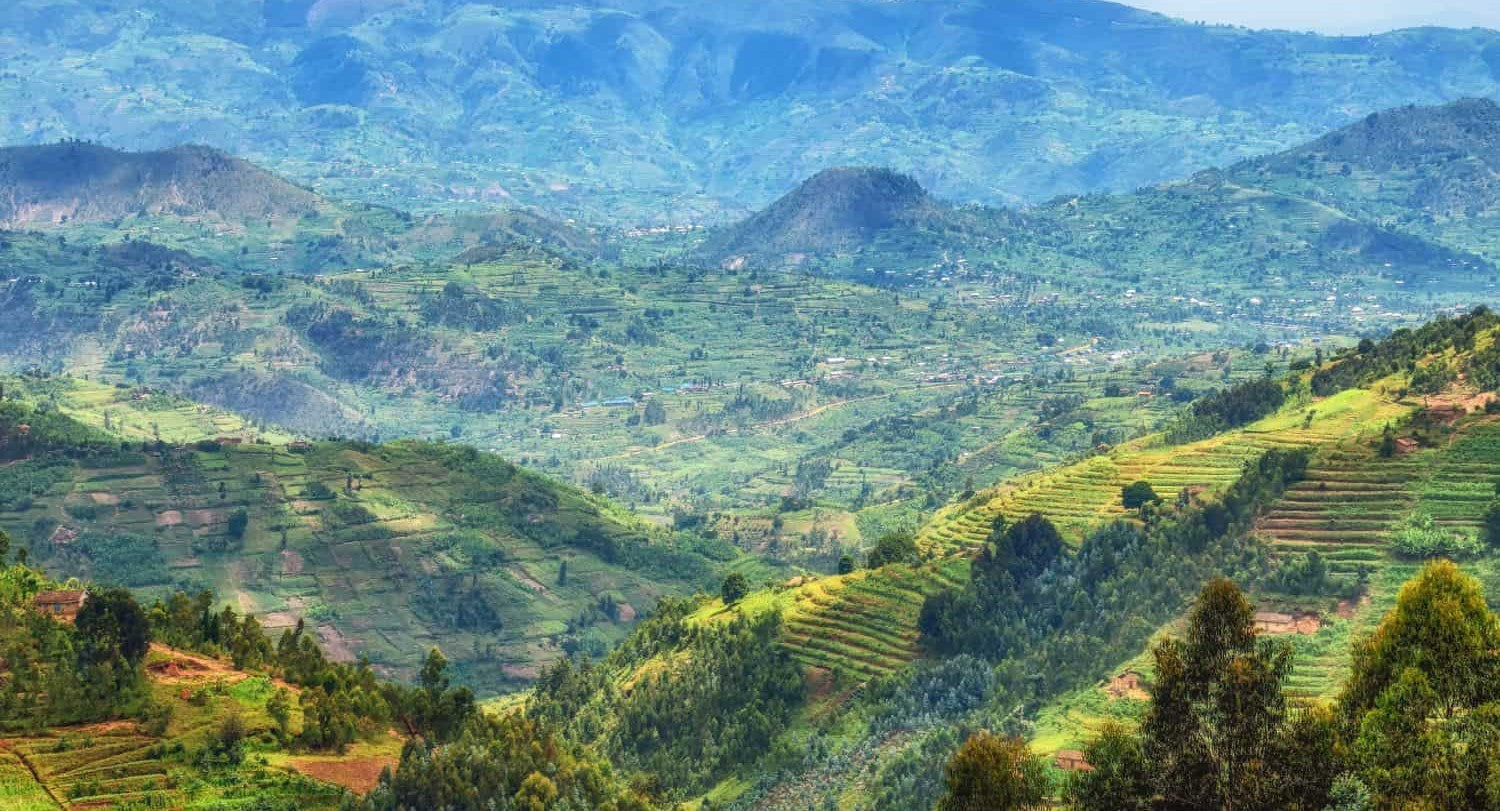
If you're choosing between Rwanda and Ethiopia coffee, the biggest difference is in the cup. Ethiopian coffee is known for its floral aroma, bright citrus acidity, and tea-like body, while Rwandan coffee offers berry sweetness, caramel notes, balanced acidity, and a creamier mouthfeel.
Both countries produce exceptional specialty coffee, but they suit different brewing methods and taste preferences. Understanding these differences helps you choose the right coffee for your home setup or café menu.
What Makes Ethiopian Coffee Unique?
Ethiopia is the birthplace of Arabica coffee and is home to hundreds of heirloom coffee varieties. High-altitude farms and favourable growing conditions create coffees with remarkable complexity.
Typical flavour notes include:
- Jasmine
- Bergamot
- Citrus
- Peach
- Blueberry
- Honey
- Black tea
Most Ethiopian coffees have:
- Bright acidity
- Light to medium body
- Floral aroma
- Clean finish
Ethiopian Coffees at Videshi Coffee
Ethiopia Gori Gesha offers delicate floral aromas, citrus sweetness, and exceptional clarity, making it ideal for V60 and Chemex.
Ethiopia West Arsi delivers lively fruit notes with balanced sweetness, making it an excellent everyday specialty coffee.

What Makes Rwandan Coffee Different?
Rwandan coffee is known for its balance and sweetness. Modern farming and careful processing have helped Rwanda become one of Africa's leading specialty coffee origins.
Typical flavour notes include:
- Raspberry
- Cherry
- Caramel
- Brown sugar
- Milk chocolate
Most Rwandan coffees feature:
- Medium acidity
- Creamy body
- Rich sweetness
- Medium acidity
- Creamy body
- Rich sweetness
Rwanda Coffee at Videshi Coffee
Rwanda Mushonyi Experimental combines berry sweetness with layered fruit notes and a silky mouthfeel. It performs well as both espresso and filter coffee.
| Feature | Ethiopia | Rwanda |
|---|---|---|
| Aroma | Floral, citrus | Berry, caramel |
| Acidity | Bright | Balanced |
| Body | Light to medium | Medium, creamy |
| Sweetness | Delicate | Rich |
| Best Brewing | V60, Chemex | Espresso, AeroPress, French Press |
| Best For | Floral and fruit-forward coffees | Sweet, balanced coffees |
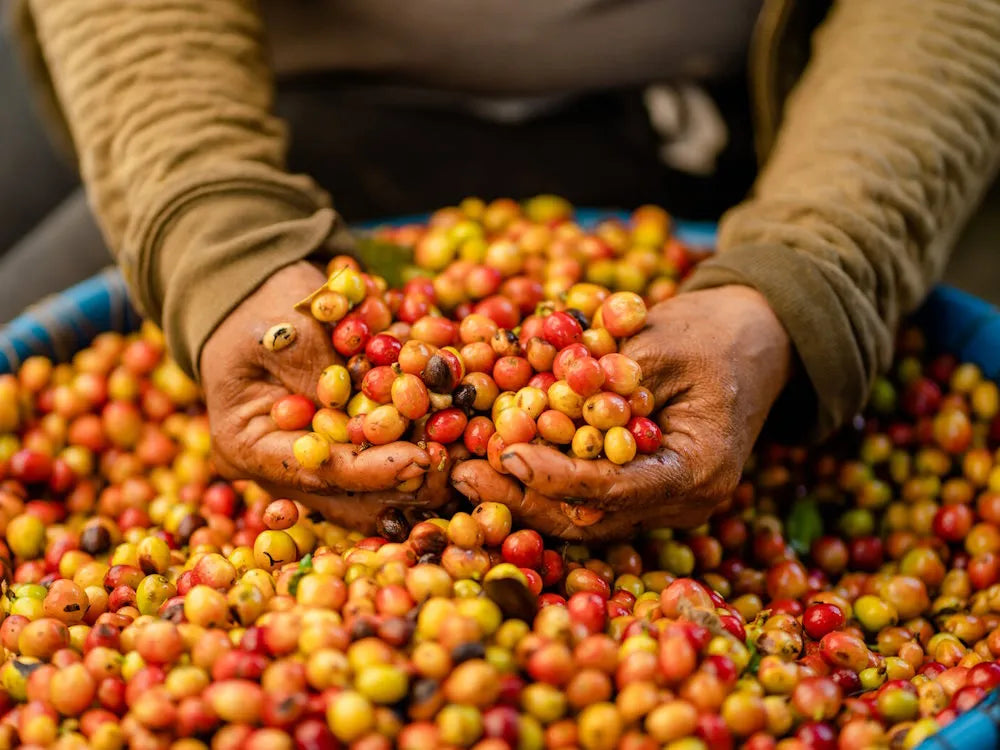
How Processing Affects Flavour
Processing influences how coffee tastes regardless of origin.
Washed Process
Produces:
- Clean flavours
- Bright acidity
- Crisp finish
Natural Process
Produces:
- Greater sweetness
- Fuller body
- More fruit-forward flavours
Experimental Process
Experimental fermentation techniques can increase sweetness and complexity while preserving the coffee's origin characteristics. Rwanda Mushonyi Experimental is a good example of this approach.
Which Coffee Works Best for Different Brewing Methods?
V60 & Pour Over
Best choices:
These coffees showcase floral aromas and vibrant acidity.
AeroPress
Both Ethiopian and Rwandan coffees work well, although Rwanda often delivers a sweeter and fuller cup.
Espresso
Rwandan coffees generally provide:
- Chocolate notes
- Berry sweetness
- Balanced acidity
Ethiopian coffees create brighter, fruit-forward espresso with floral aromas.
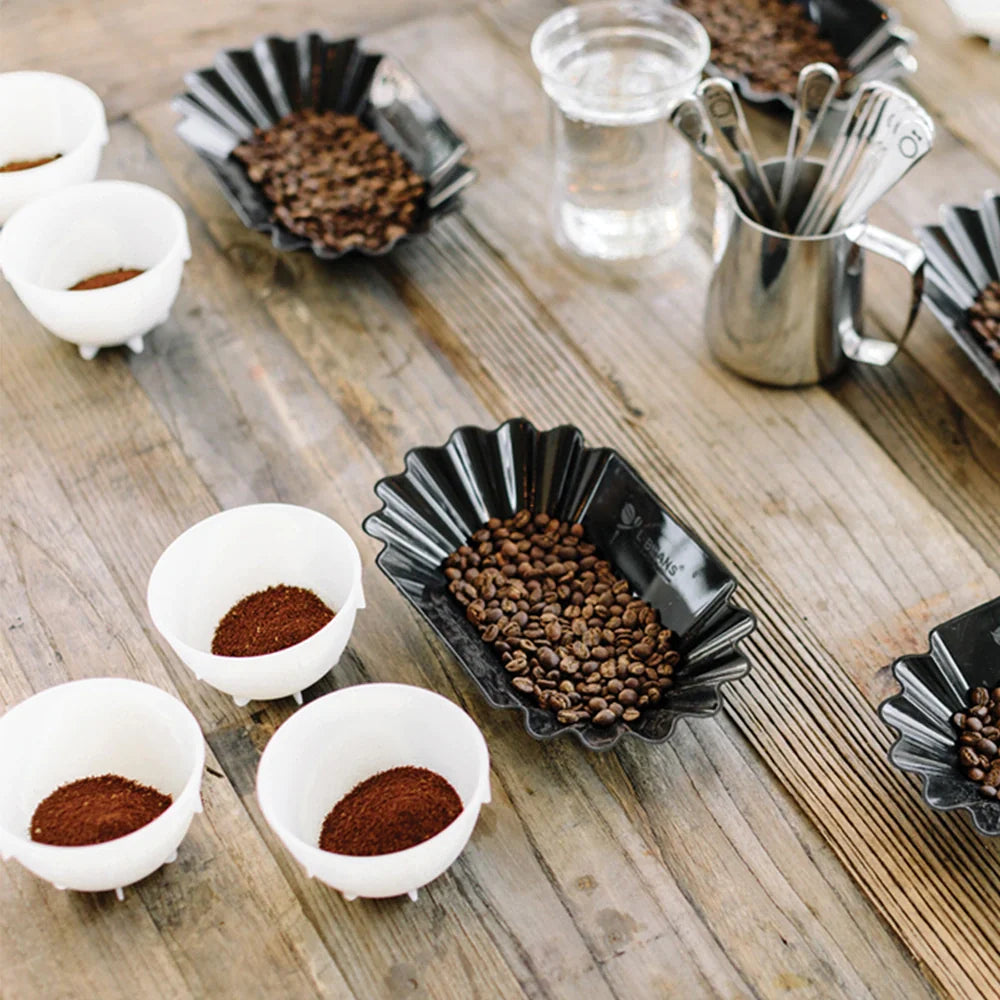
Which Coffee Should You Choose?
Choose Ethiopian coffee if you enjoy:
- Floral aromas
- Bright citrus acidity
- Delicate fruit flavours
- Manual brewing methods
Choose Rwandan coffee if you prefer:
- Balanced sweetness
- Berry and chocolate notes
- Medium body
- Versatile brewing options
Neither origin is universally better. Your brewing method and flavour preference should guide your choice.
Exploring East African Coffee with Videshi Coffee
Videshi Coffee offers carefully sourced coffees that showcase the unique characteristics of each origin. Whether you choose the floral elegance of Ethiopia Gori Gesha, the vibrant fruit notes of West Arsi, or the balanced sweetness of Rwanda Mushonyi Experimental, each coffee highlights the influence of its growing region and processing method.
Trying both origins side by side is one of the best ways to understand how terroir shapes flavour.
Need help?
Frequently Asked Questions
Store them in an airtight container, away from heat, light, and moisture, at room temperature.
Ethiopian coffee typically has brighter acidity than Rwandan coffee.
Rwandan coffees are often preferred for balanced espresso, while Ethiopian coffees produce lighter, fruit-forward shots.
Exposure to air, heat, and humidity causes the beans to lose flavour over time.
Yes. Ethiopia and Rwanda are globally recognised for producing outstanding specialty Arabica coffee.