

Article: How Coffee Processing Changes Flavor: Washed and Natural Explained
How Coffee Processing Changes Flavor: Washed and Natural Explained
If you’ve ever wondered why two coffees from the same country can taste completely different, the answer often lies in the processing method. Coffee processing refers to how the fruit surrounding the coffee bean is removed after harvest. Among the various processing methods, washed and natural are the most common and have the greatest impact on flavor.
In general, washed coffees offer clean, bright, and well-defined flavors, while natural coffees deliver greater sweetness, fuller body, and fruit-forward notes. Neither method is better than the other. Each produces a unique cup and suits different taste preferences.
Understanding coffee processing helps you choose coffee based on the flavors you enjoy instead of relying only on tasting notes.
What Is Coffee Processing?
Coffee processing is the method used to remove the outer fruit layers from the coffee cherry before the beans are dried and prepared for roasting.
A coffee cherry consists of:
- Outer skin
- Fruit pulp
- Sticky mucilage
- Parchment
- Coffee bean
The amount of fruit left on the bean during drying influences sweetness, acidity, body, aroma, and overall flavor.
Along with origin, variety, altitude, and roast level, processing plays a major role in determining how a coffee tastes.
What Is Washed Process Coffee?
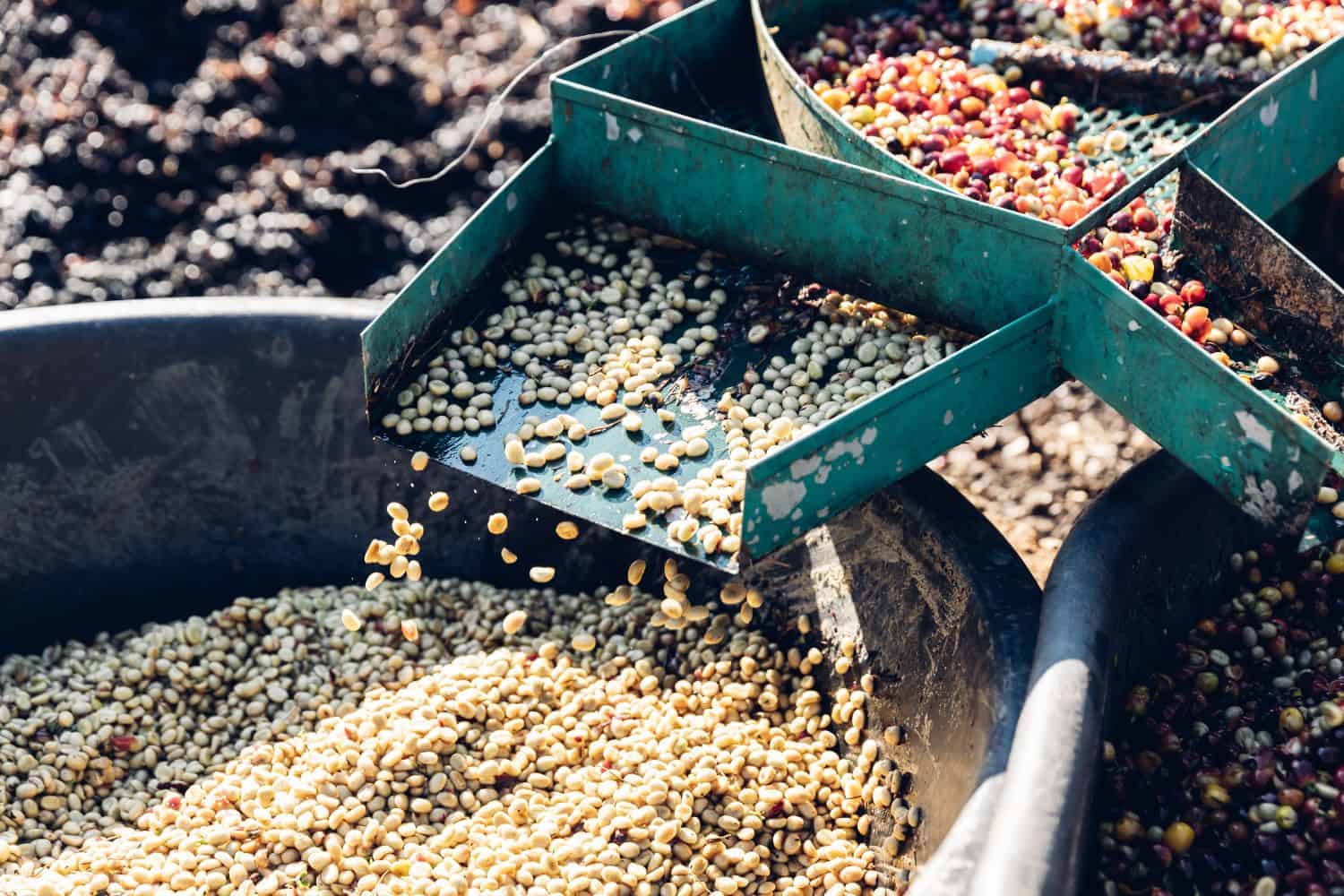
In the washed process, the fruit is removed shortly after harvest. The beans are then fermented to remove the remaining mucilage, washed with water, and dried.
Because the beans have minimal contact with the fruit during drying, washed coffees highlight the natural characteristics of the coffee itself.
Typical characteristics
- Bright acidity
- Floral aromas
- High clarity
- Crisp finish
- Light to medium body
Many specialty coffees from Ethiopia, Kenya, Colombia, and Rwanda use the washed process.
Examples available at Videshi Coffee include Ethiopia West Arsi Washed and Rwanda Isimbi Washed, both known for their clean, vibrant flavor profiles.
What Is Natural Process Coffee?
Natural processing, also known as dry processing, leaves the entire coffee cherry intact while it dries.
As the fruit dries around the bean, it contributes additional sweetness and fruit character before being removed.
Typical characteristics
- Rich sweetness
- Fuller body
- Pronounced fruit notes
- Lower perceived acidity
- Long finish
Natural processed coffees often display flavors such as blueberry, strawberry, tropical fruit, or jam-like sweetness.
A great example is Ethiopia Idido Yirgacheffe Natural, where natural processing produces vibrant berry notes balanced with floral complexity.
| Feature | Washed Coffee | Natural Coffee |
|---|---|---|
| Fruit removed before drying | Yes | No |
| Sweetness | Moderate | High |
| Acidity | Bright | Softer |
| Body | Light to medium | Medium to full |
| Cup clarity | High | Moderate |
| Fruit intensity | Delicate | Pronounced |
| Typical flavors | Citrus, floral, tea | Berry, tropical fruit, chocolate |
Neither processing method automatically produces better coffee. The final quality depends on harvesting, fermentation, drying, roasting, and brewing.
How Processing Changes Flavor
Processing influences several important characteristics of coffee.
| Attribute | Washed Coffee | Natural Coffee |
|---|---|---|
| Sweetness | Clean and refined | Rich and intense |
| Acidity | Bright and lively | Softer and rounded |
| Aroma | Floral and citrus | Berry and tropical fruit |
| Body | Light and clean | Fuller and heavier |
These differences become even more noticeable when tasting washed and natural coffees from the same origin.
Which Brewing Method Works Best?
Different brewing methods highlight different characteristics.
| Brewing Method | Washed Coffee | Natural Coffee |
|---|---|---|
| Pour Over | Floral, bright, clean | Fruity and sweet |
| French Press | Light-bodied | Rich and full-bodied |
| AeroPress | Crisp and balanced | Sweet and rounded |
| Espresso | Citrus and floral | Berry, chocolate and syrupy body |
There is no right or wrong combination. It depends entirely on the flavor profile you enjoy.
How to Choose Between Washed and Natural Coffee
Choose washed coffee if you enjoy:
- Floral aromas
- Bright acidity
- Tea-like character
- Crisp finish
- High flavor clarity
Choose natural coffee if you enjoy:
- Berry and tropical fruit flavors
- Rich sweetness
- Fuller body
- Bold aroma
- Long aftertaste
Many coffee enthusiasts enjoy both styles because each offers a completely different experience.
Washed and Natural Coffees at Videshi Coffee
Videshi Coffee offers carefully selected single-origin coffees from leading coffee-producing regions.
If you prefer clean, vibrant flavors, explore washed coffees such as:
If fruit-forward coffees are more your style, Ethiopia Idido Yirgacheffe Natural is an excellent example of how natural processing enhances sweetness and complexity.
Trying both processing methods side by side is one of the easiest ways to understand how processing influences flavor.
Why Coffee Processing Matters
Origin tells you where the coffee was grown.
Roast level tells you how it was roasted.
Processing explains how the coffee developed many of its distinctive flavor characteristics before roasting.
Knowing all three helps you choose coffee with greater confidence.
If you enjoy bright floral coffees, washed lots are often the better choice. If you prefer sweeter, fruit-forward coffees with a fuller body, natural coffees are likely to suit your taste.
Understanding processing makes it easier to explore specialty coffee and discover coffees that match your personal preferences.
Need help?
Frequently Asked Questions
Washed coffee has the fruit removed before drying, producing cleaner and brighter flavors. Natural coffee dries inside the fruit, creating greater sweetness and fruit-forward notes.
Neither is better. The ideal choice depends on your preferred flavor profile.
Yes. Washed coffees generally have brighter acidity, while natural coffees offer softer acidity with greater sweetness.
Natural coffees perform particularly well in French Press, AeroPress, and espresso, although they also produce excellent pour overs.
Most specialty coffee roasters list the processing method on the product page or coffee bag along with origin, variety, and tasting notes.