

Article: Washed vs natural processed coffee explained: which should you choose?
Washed vs natural processed coffee explained: which should you choose?

If you've ever looked at a coffee bag and noticed terms like washed process or natural process, you're looking at one of the biggest influences on how coffee tastes.
The short answer is simple:
- Washed coffees usually taste cleaner, brighter, and more structured.
- Natural processed coffees usually taste fruitier, sweeter, and more intense.
Neither processing method is better. They create different flavour experiences.
For most people new to specialty coffee, washed coffees are easier to understand because the flavours tend to be clearer and more predictable. Natural coffees often produce bigger fruit notes and heavier sweetness, but they can also feel more unusual if you're used to traditional coffee profiles.
The right choice depends on how you brew, what flavours you enjoy, and how adventurous you want your coffee to be.
What does coffee processing mean?
Coffee processing is the method used to remove fruit from the coffee seed after harvesting.
Coffee starts as a fruit, often called a coffee cherry. Inside that cherry are the seeds that eventually become coffee beans. Once the cherries are picked, producers must remove the fruit and dry the coffee.
The way this happens affects:
- Sweetness
- Acidity
- Body
- Aroma
- Flavour clarity
Two of the most common processing methods are:
- Washed process
- Natural process
These methods can make the same coffee variety taste surprisingly different.
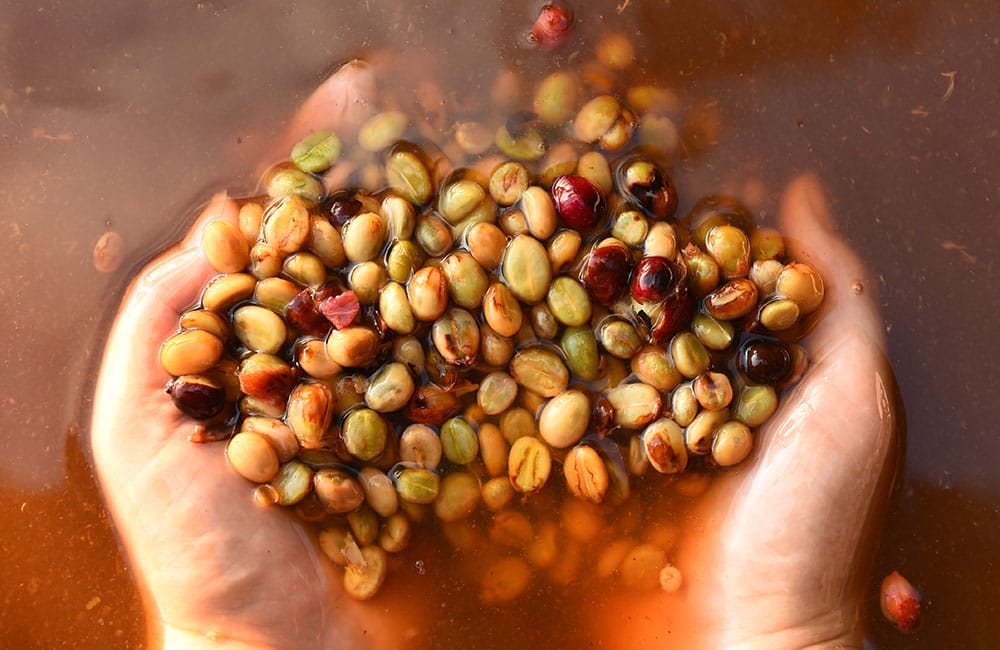
What is washed process coffee?
In a washed process, the fruit is removed from the coffee shortly after harvesting.
The coffee is then fermented to remove remaining mucilage before being washed and dried.
How washed processing works
- Cherries are harvested.
- Fruit is mechanically removed.
- Coffee is fermented.
- Coffee is washed with water.
- Coffee is dried.
Because most of the fruit is removed early, the coffee bean has less contact with sugars from the cherry during drying.
This typically creates a cleaner cup profile.
How does washed coffee taste?
Washed coffees are usually known for:
- Clean flavour separation
- Higher clarity
- Brighter acidity
- More origin expression
When people talk about tasting the characteristics of a region or farm, they're often referring to washed coffees.
For example, a washed Ethiopian coffee may show:
- Citrus
- Floral aromas
- Tea-like texture
A washed Rwandan coffee may show:
- Red fruit
- Structured acidity
- Clean sweetness
Coffees such as Rwanda Isimbi Fully Washed available from Videshi Coffee are good examples because the processing allows the origin characteristics to remain clear and easy to identify.
What is natural processed coffee?
Natural processing is one of the oldest coffee processing methods.
Instead of removing the fruit immediately, the entire coffee cherry is dried intact.
The fruit remains around the seed throughout most of the drying process.
How natural processing works
- Cherries are harvested.
- Whole cherries are dried.
- Fruit dries around the seed.
- Dried fruit is removed later.
Because the bean spends more time surrounded by fruit sugars, flavour development changes significantly.
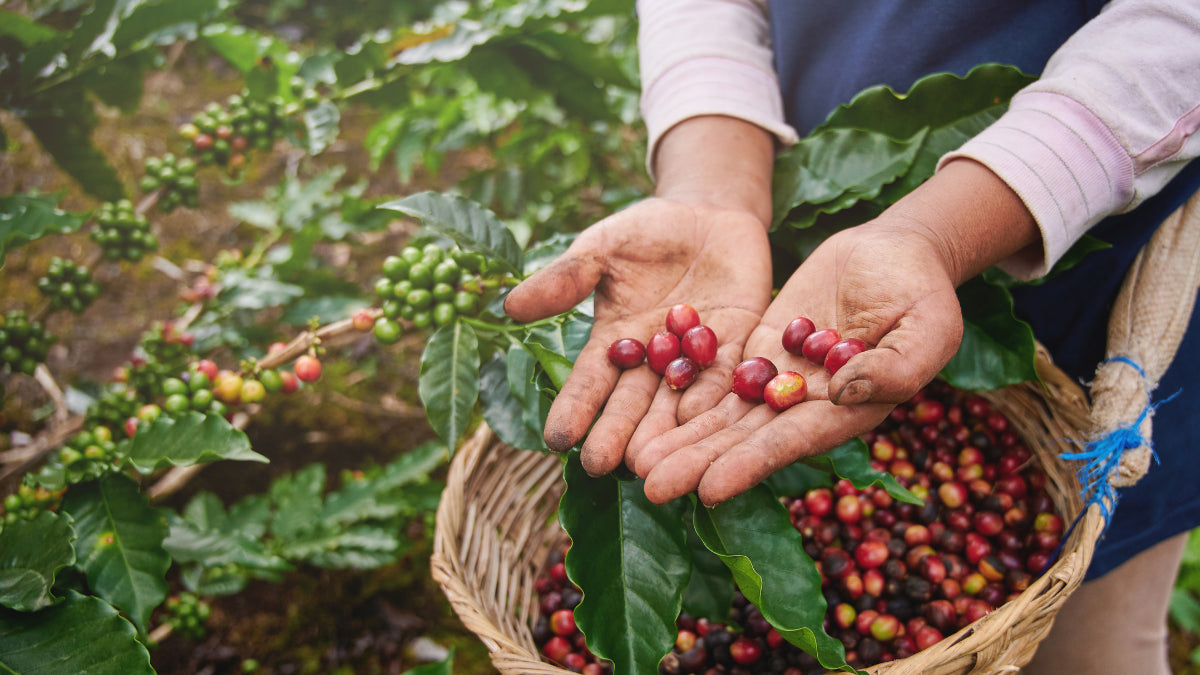
How does natural processed coffee taste?
Natural coffees are often associated with:
- Higher perceived sweetness
- More fruit-forward flavours
- Fuller body
- Lower flavour separation
Common flavour notes include:
- Berry
- Tropical fruit
- Stone fruit
- Jam-like sweetness
Some natural coffees can feel almost wine-like compared to washed coffees from the same region.
The effect can be dramatic.
Two coffees from the same farm can taste completely different depending on processing.
Washed vs natural coffee: side-by-side comparison
| Factor | Washed Coffee | Natural Coffee |
|---|---|---|
| Flavour clarity | High | Moderate |
| Sweetness | Moderate | Higher |
| Fruit character | Moderate | Strong |
| Acidity | More pronounced | Softer |
| Body | Lighter | Fuller |
| Consistency in brewing | Easier to read | More complex |
| Best for | Filter and black coffee | Fruity espresso and filter |
Which coffee processing method is better for filter brewing?
Many specialty coffee drinkers prefer washed coffees for filter brewing.
Methods such as:
- V60
- Batch brew
highlight flavour separation and clarity.
Washed coffees tend to show those qualities very clearly.
That does not mean natural coffees are unsuitable.
Natural coffees can produce exceptional filter coffee, particularly if you enjoy sweeter and fruitier profiles.
The difference comes down to what you want from the cup.
Choose washed coffee if you enjoy:
- Clean flavours
- Citrus notes
- Floral characteristics
- Distinct origin expression
Choose natural coffee if you enjoy:
- Fruit-forward flavours
- Higher sweetness
- Heavier texture
- More intense aroma
Which processing method works best for espresso?
Both can work well, but they create very different espresso experiences.
Washed espresso
Typically offers:
- Clear acidity
- Structured flavour
- Better flavour separation
- More origin clarity
If you enjoy tasting the individual characteristics of a coffee, a washed coffee such as Rwanda Isimbi Fully Washed can be a useful reference point.
Natural espresso
Typically offers:
- Higher perceived sweetness
- Fuller body
- Larger fruit notes
- More rounded texture
Natural processed coffees are often popular among espresso drinkers who enjoy fruit-forward profiles and heavier mouthfeel.
For milk-based drinks
Many espresso drinkers prefer blends because they provide:
- Consistent flavour
- Better balance in milk
- Easier extraction
Coffees such as Aranya or Yamuna Gold are good examples of profiles that work well in milk-based espresso drinks because sweetness, body, and acidity are balanced.
Is washed coffee better for beginners?
For many people, yes.
Washed coffees tend to be easier to understand because the flavour profile is cleaner.
If someone is moving from commercial coffee into specialty coffee, washed coffees often provide a smoother transition.
Natural coffees can sometimes feel surprising.
A highly fruit-forward natural Ethiopian coffee may taste very different from what most people expect coffee to taste like.
That difference is exciting for some people and confusing for others.
Why do specialty coffee roasters offer both?
Because they serve different preferences.
A roaster may carry:
- Washed coffees for clarity-focused drinkers
- Natural coffees for fruit-forward drinkers
- Blends for consistency and espresso performance
Each category fills a different role.
A customer brewing black coffee daily may prefer washed coffees.
Another customer looking for a sweeter espresso may prefer natural coffees.
Neither approach is wrong.
How to choose between washed and natural coffee on Videshi Coffee
When browsing coffees, start with flavour preference rather than processing terminology.
If you usually enjoy:
- Clean black coffee
- Tea-like texture
- Citrus or floral notes
Washed coffees such as Rwanda Isimbi Fully Washed can be a good starting point because they often highlight flavour clarity and origin character.
If you enjoy:
- Sweetness
- Fruit-forward flavours
- Heavier body
Natural processed coffees and fruit-driven origins such as Ethiopia West Arsi may be more appealing.
Then consider your brewing method.
Filter brewers often appreciate washed coffees because flavour clarity becomes easier to identify.
Espresso drinkers frequently enjoy naturals because sweetness and body become more prominent.
Common misconceptions about coffee processing
Natural coffee is always sweeter
Not necessarily.
Processing influences sweetness perception, but roast level, variety, and extraction also play important roles.
Washed coffee has less flavour
Washed coffees can be extremely flavourful.
The difference is that flavours tend to feel more separated and defined.
Natural coffee is only for experienced coffee drinkers
Many beginners enjoy natural coffees immediately because the sweetness is obvious and approachable.
Processing matters more than origin
Both matter.
Processing changes flavour significantly, but origin still shapes the foundation of the coffee.
Choosing based on what you enjoy in the cup
A lot of coffee decisions become easier once you stop focusing on terminology.
Most people don't wake up thinking about processing methods.
They think about flavour.
If you enjoy clarity, structure, and origin character, washed coffees are usually a good place to start.
If you enjoy sweetness, fruit, and heavier texture, natural coffees are often worth exploring.
The processing method helps explain what you might taste, but your preference ultimately decides which coffee belongs in your grinder.
Need help?
Frequently Asked Questions
Washed coffee has the fruit removed before drying. Natural coffee dries with the fruit still attached, creating sweeter and fruitier flavours.
Neither is objectively better. Washed coffees emphasize clarity, while natural coffees emphasize sweetness and fruit character.
No. Processing affects flavour profile, not caffeine content.
Both work well. Washed coffees provide more clarity, while natural coffees often provide more sweetness and body.
Many beginners find washed coffees easier to understand because the flavours are cleaner and more structured.