

Article: How to choose coffee beans based on your taste preferences
How to choose coffee beans based on your taste preferences
Choosing coffee should be simple. But most people get stuck.
You read words like “floral,” “bright,” or “chocolatey,” and it’s not clear what that actually means in the cup. So you either guess or stick to what feels safe.
This guide gives you a simpler way to choose. Instead of focusing on origin or processing first, start with what you want your coffee to taste like.
Start with what you enjoy drinking
Before you think about coffee, think about your taste preferences in general.
Do you prefer:
- Dark chocolate or milk chocolate
- Fresh fruit or desserts
- Strong, bold flavours or lighter, cleaner ones
Your answers to these questions translate directly into coffee choices.
You don’t need to understand everything about coffee to choose well. You just need to recognise what you enjoy.

If you like chocolatey, rich flavours
This is where most people start.
You’re likely to enjoy coffees that taste:
- Smooth
- Nutty
- Chocolate-forward
- Low in acidity
These coffees feel familiar. They’re easy to drink and work well across different brewing methods.
In the Videshi range, coffees like Finca Miramar coffee beans from El Salvador tend to lean in this direction, offering a balanced, approachable profile.
This is a good place to begin if:
- You’re moving away from instant coffee
- You want something consistent and easy
If you like fruity, bright flavours
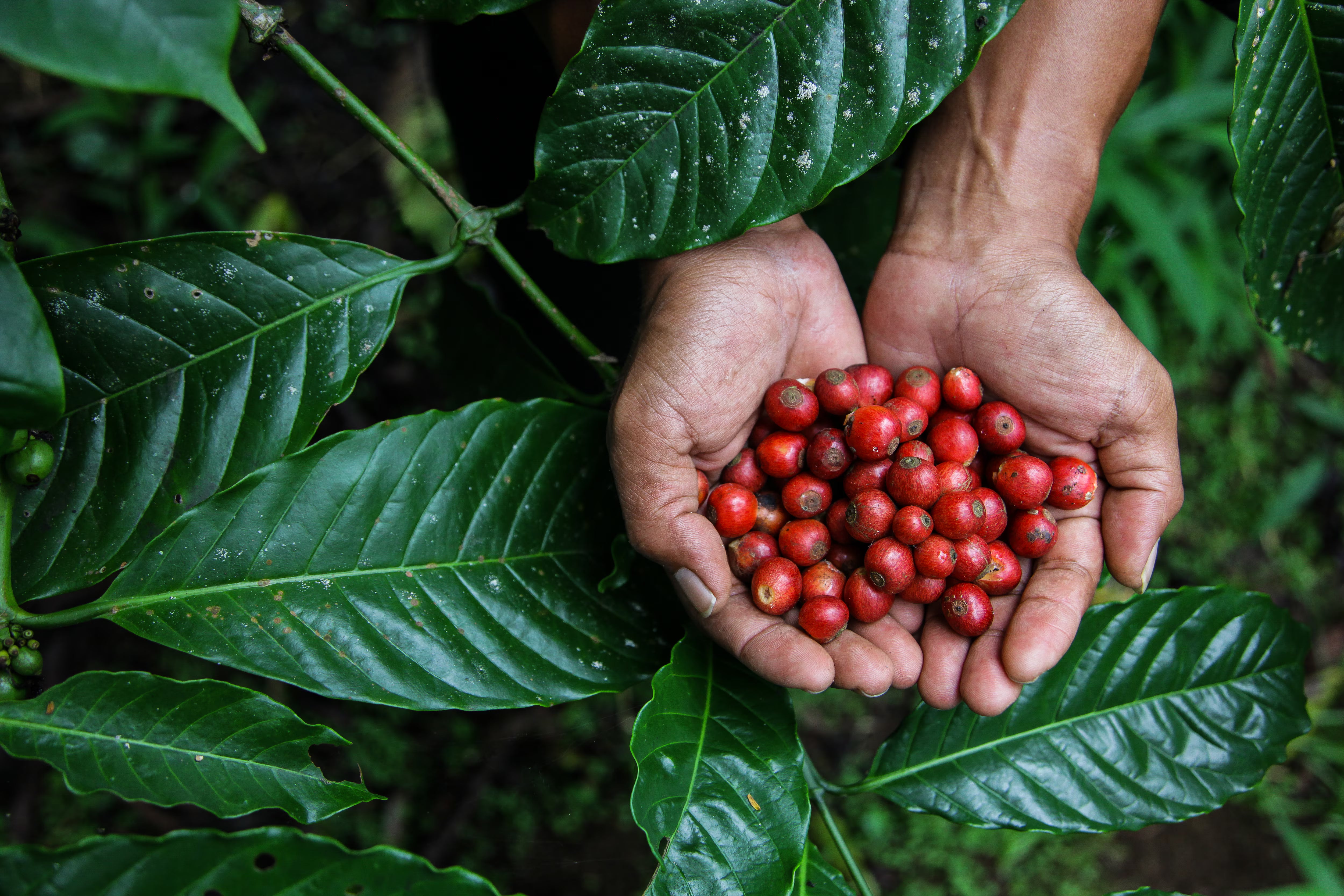
Some coffees taste more like fruit than chocolate.
You might notice:
- Berry-like sweetness
- Citrus notes
- A lighter body
- Higher acidity
These coffees feel more expressive. They can be surprising if you’re not used to them.
Coffees like Idido Yirgacheffe Natural coffee beans or Ethiopia Sidama Taferi Kela coffee beans are good examples of this style.
They’re a strong choice if:
- You enjoy fruit-forward drinks
- You’re curious about more complex flavours
If you want something balanced
Not everyone wants extremes.
You might prefer:
- Some sweetness
- Some brightness
- But nothing too sharp
Balanced coffees sit in the middle. They give you clarity without overwhelming you.
Blends like Aranya coffee beans or Yamuna Gold coffee beans are designed to offer that balance.
They’re a safe and reliable option if:
- You want something versatile
- You’re still figuring out your preferences
How roast level affects taste
Taste is not just about origin. Roast level plays a big role.
Lighter roasts
- Brighter
- More acidic
- More expressive
These highlight the natural character of the coffee.
Medium roasts
- More balanced
- Slightly sweeter
- Less sharp
These are often the easiest to work with.
Darker roasts
- Bolder
- Heavier
- Less acidity
These lean more toward chocolate and roast flavours.
Most coffees, like Mushonyi Experimental Washed coffee beans, will sit somewhere in the light to medium range to preserve their character.
If you’re unsure, start with medium or medium-light. It’s the easiest place to understand what you like.
How processing influences flavour
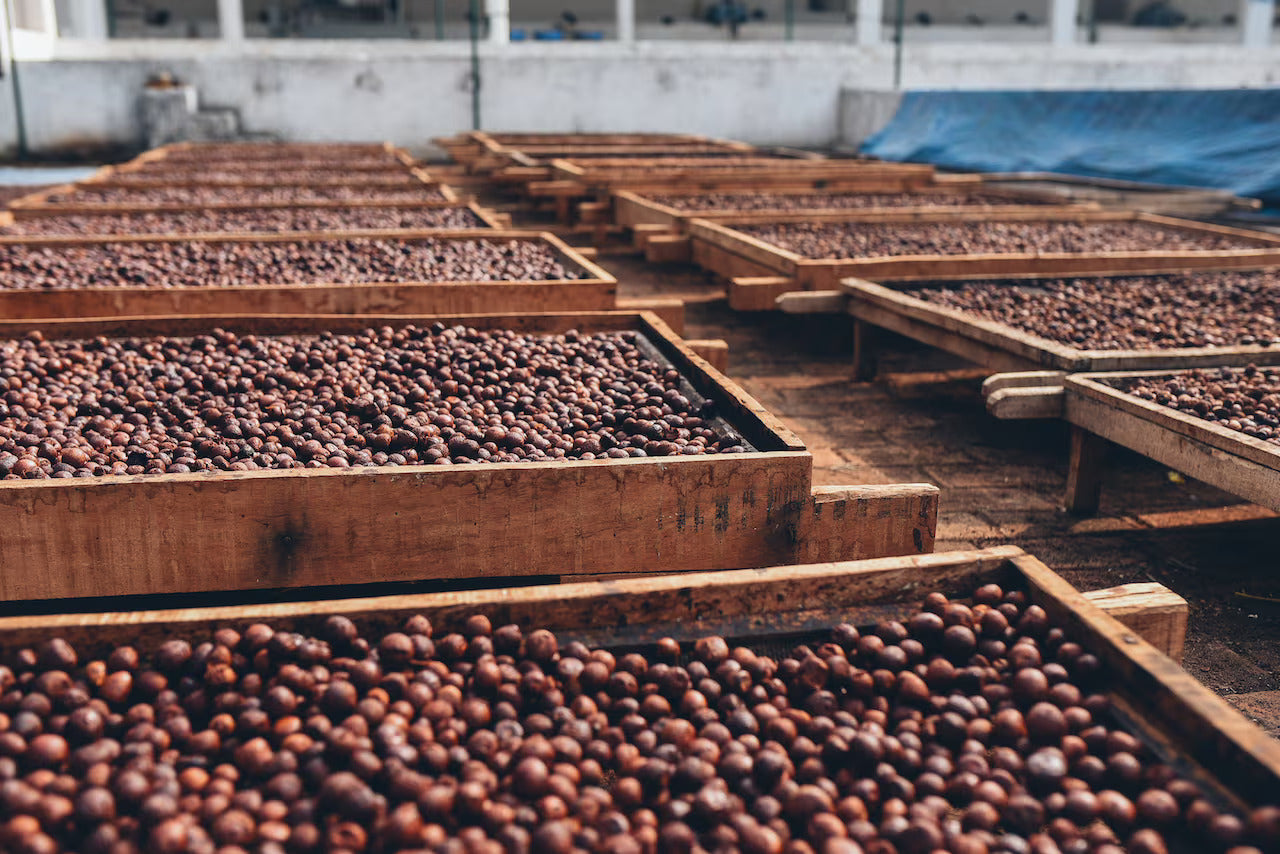
Processing affects how the coffee is handled after harvesting, and it has a direct impact on taste.
Washed coffees
- Cleaner
- More structured
- Less intense fruit
Natural coffees
- Fruitier
- Sweeter
- More pronounced flavours
For example, Idido Yirgacheffe Natural coffee beans will feel very different from a washed coffee like Isimbi Experimental Washed coffee beans, even if both come from similar regions.
You don’t need to memorise this. Just notice what you prefer over time.
A simple way to choose your coffee
If you’re unsure, use this:
- If you want something safe → go chocolatey
- If you want something interesting → go fruity
- If you want something versatile → go balanced
That’s enough to make a good first choice.
From there, you refine.
What most people get wrong
Overthinking flavour notes
You don’t need to taste “blueberry” or “jasmine” exactly. Use flavour notes as direction, not a checklist.
Buying based only on origin
Origin matters, but taste matters more. Two coffees from the same country can taste completely different.
Not giving yourself time to adjust
If you’re new to specialty coffee, some flavours may feel unfamiliar at first. Give yourself time. Your preferences will develop.
What to take away before you buy
Choosing coffee is not about getting it perfect the first time. It’s about getting close enough to enjoy the experience and learn from it. Start with what feels familiar. Then explore.
Over time, you’ll recognise patterns in what you like:
- Certain origins
- Certain roast levels
- Certain flavour profiles
That’s when choosing coffee becomes easy.
Need help?
Frequently Asked Questions
Start with your taste preferences. Choose chocolatey for something safe, fruity for something more expressive, or balanced for something in between.
No. They’re just different. It depends on what you enjoy.
Balanced or chocolatey coffees are usually the easiest starting point because they feel familiar and are easy to brew.
No. They describe how the coffee tastes, not what’s added to it.
Start with taste. Origin helps explain flavour, but your preference should guide your decision.